Acalabrutinib for CLL, SLL and Mantle Cell Lymphoma: Treatment Guide
Acalabrutinib for CLL, SLL and Mantle Cell Lymphoma: Treatment Guide
Introduction
Blood cancers are a group of diseases that affect the production and function of blood cells. Among these conditions, Chronic Lymphocytic Leukemia (CLL), Small Lymphocytic Lymphoma (SLL), and Mantle Cell Lymphoma (MCL) are important types of B-cell malignancies. These diseases develop from abnormal lymphocytes, a type of white blood cell that normally helps the immune system fight infections.
Advances in cancer research have introduced targeted therapies that work on specific proteins involved in cancer cell growth and survival. Acalabrutinib is one such targeted medicine. It belongs to a group of medicines known as Bruton tyrosine kinase (BTK) inhibitors.
Acalabrutinib is used in the treatment of adults with CLL or SLL and certain patients with mantle cell lymphoma. Depending on the condition and treatment plan, it may be prescribed alone or in combination with other medicines.
This article explains CLL, SLL, and MCL, including their causes, symptoms, diagnosis, treatment options, and the role of acalabrutinib.
What Is Chronic Lymphocytic Leukemia (CLL)?
Chronic Lymphocytic Leukemia is a type of blood and bone marrow cancer that develops when abnormal lymphocytes, usually B lymphocytes, accumulate in the blood, bone marrow, and lymphatic tissues.
These abnormal cells do not function normally and may gradually interfere with healthy blood cell production and immune function.
CLL often develops slowly. Some people may not experience symptoms for years and may only discover the disease through routine blood tests.
Common Symptoms of CLL
Symptoms can vary from person to person. Common signs include:
Enlarged lymph nodes in the neck, armpits, or groin
Persistent fatigue or weakness
Frequent infections
Fever without an obvious cause
Night sweats
Unexplained weight loss
Easy bruising or bleeding
Abdominal discomfort caused by an enlarged spleen
Not everyone with CLL experiences all these symptoms.
What Is Small Lymphocytic Lymphoma (SLL)?
Small Lymphocytic Lymphoma is a type of non-Hodgkin lymphoma that involves the same type of abnormal B lymphocytes found in CLL.
The main difference between CLL and SLL is where the abnormal lymphocytes are predominantly found.
CLL mainly involves the blood and bone marrow.
SLL mainly affects lymph nodes and other lymphatic tissues.
Because the cancer cells are biologically very similar, CLL and SLL are often considered closely related diseases and may be treated with similar approaches.
Common Symptoms of SLL
Possible symptoms include:
Painless swelling of lymph nodes
Enlarged lymph nodes in the neck, armpits, or groin
Fatigue
Fever
Night sweats
Unexplained weight loss
Frequent infections
Abdominal fullness or discomfort
Some patients have no noticeable symptoms at the time of diagnosis.
What Is Mantle Cell Lymphoma (MCL)?
Mantle Cell Lymphoma is a relatively uncommon type of non-Hodgkin lymphoma that develops from B lymphocytes in the mantle zone of lymph nodes.
MCL is often associated with a genetic change involving chromosomes 11 and 14, which can lead to increased production of a protein called cyclin D1. This protein helps regulate cell growth and division.
MCL can behave differently in different patients. Some cases progress slowly, while others grow more rapidly and require prompt treatment.
Common Symptoms of MCL
Symptoms may include:
Enlarged lymph nodes
Persistent fatigue
Fever
Night sweats
Unexplained weight loss
Abdominal pain or swelling
Loss of appetite
Digestive problems
Enlarged spleen
The symptoms depend on which parts of the body are affected.
Causes and Risk Factors
The exact cause of CLL, SLL, and MCL is not fully understood. These diseases develop when genetic changes affect the normal growth and survival of lymphocytes.
Several factors may be associated with an increased risk.
Age
These conditions are more commonly diagnosed in older adults.
Family History
Having a close relative with certain blood cancers may increase the risk of developing CLL.
Genetic Changes
Changes in chromosomes or genes can influence how abnormal lymphocytes grow and survive.
Immune System Factors
Certain immune system abnormalities may be associated with lymphoma development.
However, having one or more risk factors does not mean that someone will definitely develop cancer.
How Are CLL, SLL and MCL Diagnosed?
Accurate diagnosis is essential because these conditions require individualized treatment.
Doctors may recommend several investigations.
1. Complete Blood Count (CBC)
A CBC measures different types of blood cells. In CLL, it may reveal an increased number of lymphocytes.
2. Flow Cytometry
Flow cytometry examines proteins on the surface of blood or tissue cells. It helps identify abnormal lymphocytes and distinguish between different blood cancers.
3. Lymph Node Biopsy
A biopsy may be performed when lymphoma is suspected. A tissue sample is examined under a microscope to identify cancer cells.
4. Bone Marrow Examination
A bone marrow aspiration or biopsy may be used when additional information about bone marrow involvement is required.
5. Imaging Tests
CT or PET-CT scans may help evaluate enlarged lymph nodes, organs, and the extent of disease involvement.
6. Genetic and Molecular Testing
Certain genetic tests help identify disease characteristics and guide treatment decisions.
For example, testing for TP53 abnormalities and IGHV mutation status may be relevant in CLL. Cyclin D1 and other markers may help confirm MCL.
Treatment Options for CLL, SLL and MCL
Treatment depends on the cancer type, disease stage, symptoms, molecular findings, overall health, and previous treatment history.
Not every patient needs immediate treatment.
Active Surveillance
Some patients with early-stage, asymptomatic CLL may be monitored regularly without starting treatment immediately.
This approach is commonly called watchful waiting or active surveillance.
Doctors monitor blood counts, symptoms, lymph node changes, and other clinical findings.
Targeted Therapy
Targeted therapies act on specific proteins or pathways involved in cancer cell survival.
BTK inhibitors are an important class of targeted medicines used in certain B-cell malignancies.
Acalabrutinib is one example.
Immunotherapy and Combination Treatment
Depending on the disease, doctors may recommend medicines that help the immune system target cancer cells or combinations of targeted medicines and other treatments.
For example, acalabrutinib may be used with bendamustine and rituximab for certain adults with previously untreated MCL who are not eligible for autologous stem cell transplantation.
Chemotherapy
Chemotherapy may still have a role in selected treatment plans, depending on the cancer type and individual clinical circumstances.
Stem Cell Transplantation
Stem cell transplantation may be considered for selected patients with certain lymphomas, depending on disease characteristics, age, health status, and previous treatment response.
What Is Acalabrutinib?
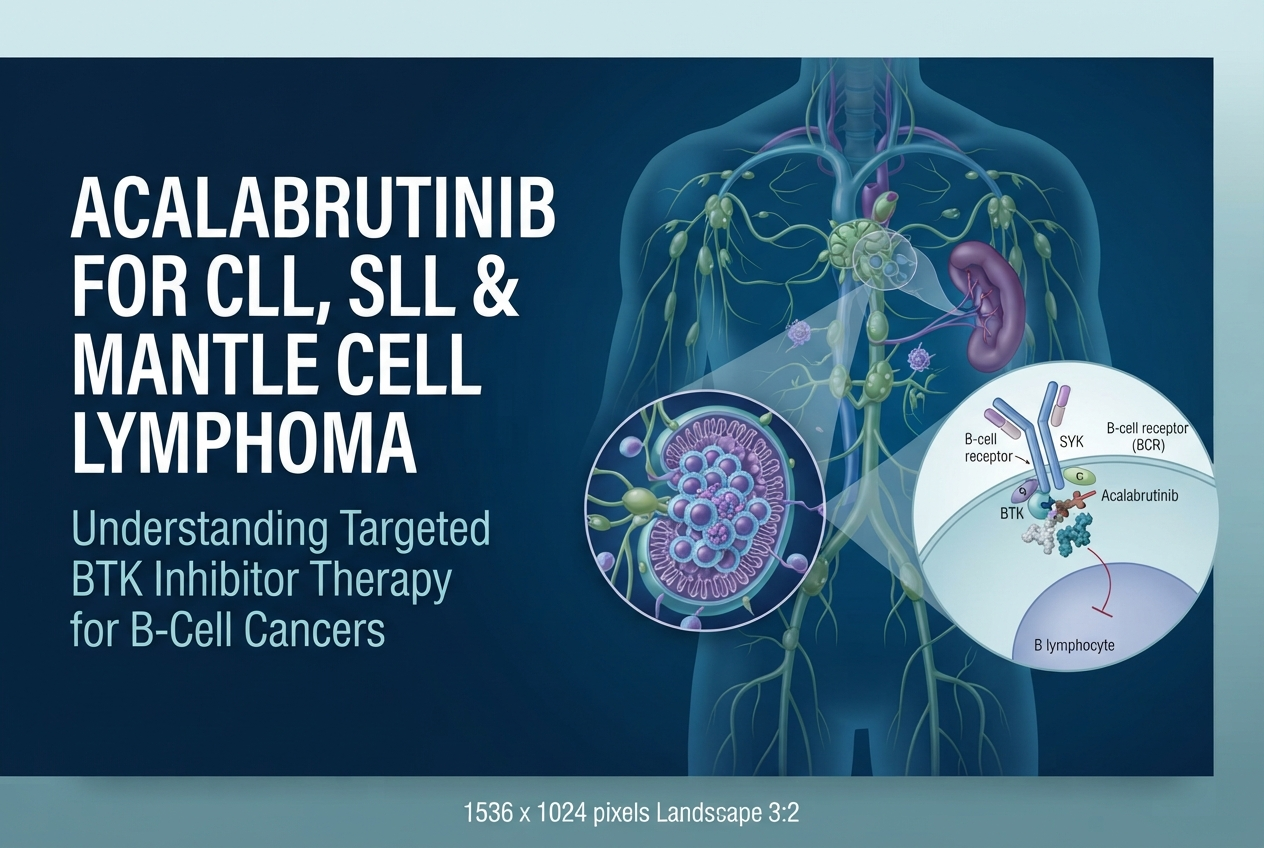
Acalabrutinib is an oral targeted cancer medicine classified as a Bruton tyrosine kinase (BTK) inhibitor.
BTK is a protein involved in B-cell receptor signaling. This signaling pathway helps regulate the growth, activation, and survival of B lymphocytes.
In certain B-cell cancers, abnormal signaling contributes to the survival and multiplication of malignant cells.
Acalabrutinib blocks BTK activity and interferes with these signaling processes. This can help control the growth and survival of cancer cells.
It is not a conventional chemotherapy medicine. It is a targeted therapy designed to act on a specific molecular pathway.
Acalabrutinib Uses in Cancer Treatment
Acalabrutinib has established clinical uses in selected adult patients with:
1. Chronic Lymphocytic Leukemia (CLL)
Acalabrutinib is indicated for adults with CLL. It may be used as a single medicine or in an approved combination regimen, depending on the treatment plan.
In February 2026, the US FDA approved acalabrutinib in combination with venetoclax for adults with CLL or SLL.
2. Small Lymphocytic Lymphoma (SLL)
Acalabrutinib is also indicated for adults with SLL. Because CLL and SLL involve biologically similar malignant B cells, treatment approaches can overlap.
The choice of treatment depends on disease characteristics and the patient's overall health.
3. Mantle Cell Lymphoma (MCL)
Acalabrutinib is used for adults with MCL who have received at least one prior therapy.
It is also approved in combination with bendamustine and rituximab for previously untreated adults with MCL who are not eligible for autologous hematopoietic stem cell transplantation.
The appropriate regimen must be selected by an oncology specialist.
How Does Acalabrutinib Work?
Acalabrutinib selectively inhibits Bruton tyrosine kinase.
BTK plays an important role in B-cell receptor signaling. This pathway helps abnormal B cells receive signals that support their growth and survival.
By inhibiting BTK, acalabrutinib disrupts these signals and may reduce the survival and proliferation of malignant B cells.
Its targeted mechanism makes it an important treatment option in selected B-cell malignancies.
Acalabrutinib 100 mg: Important Medicine Information
Acalabrutinib is available in oral formulations, including capsules and tablets, depending on the product.
The information supplied for this article is:
Brand name: Acatinib
Generic name: Acalabrutinib
Strength: 100 mg
Pack size: 60 capsules
Pack size describes the number of capsules in a package. It does not determine the patient's treatment duration or dosing schedule.
The prescribing information for acalabrutinib capsules recommends a dose of 100 mg approximately every 12 hours for certain indications. However, the exact regimen, dose modifications, and treatment duration must be determined by the treating oncologist.
Patients should not start, stop, or change the dose without medical advice.
Possible Side Effects of Acalabrutinib
Like other targeted cancer medicines, acalabrutinib can cause side effects. Their severity and frequency may vary.
Commonly reported side effects include:
Headache
Diarrhea
Muscle pain
Fatigue
Bruising
Nausea
Upper respiratory tract infections
More serious risks may include:
Serious infections
Bleeding
Low blood cell counts
Heart rhythm problems, including atrial fibrillation or flutter
Liver problems
Secondary primary malignancies, including skin cancers
Patients should promptly report unusual bleeding, persistent fever, severe weakness, breathing difficulties, palpitations, or other concerning symptoms to their healthcare team.
Precautions Before Taking Acalabrutinib
Before starting treatment, patients should inform their doctors about:
Previous bleeding problems
Heart rhythm disorders
Liver disease
Current infections
Pregnancy or breastfeeding
All prescription medicines
Non-prescription medicines and supplements
Acalabrutinib can interact with certain medicines, including some acid-reducing medicines and drugs that affect liver enzymes.
The treating physician should review all current medicines before treatment begins.
Patients should also discuss planned surgery or dental procedures with their healthcare team because of the potential risk of bleeding.
Monitoring During Acalabrutinib Treatment
Regular monitoring helps doctors evaluate treatment response and identify possible complications.
Depending on the patient's condition, monitoring may include:
Complete blood counts
Liver function tests
Assessment for infections
Evaluation of bleeding symptoms
Heart rhythm assessment when clinically indicated
Physical examinations
Imaging or other disease-response assessments
Patients should attend scheduled follow-up appointments even when they feel well.
Living With CLL, SLL or MCL
Living with a blood cancer can be physically and emotionally challenging. Medical treatment is only one part of overall care.
Patients may benefit from:
Maintaining a Balanced Diet
A nutritious diet can support general health. Patients should discuss special dietary needs with a registered dietitian or healthcare professional.
Preventing Infections
Good hand hygiene, appropriate vaccinations, and early reporting of infection symptoms are important. Vaccination decisions should be discussed with the treating physician.
Staying Physically Active
Light or moderate activity may help maintain strength and energy when medically appropriate.
Managing Fatigue
Adequate rest, balanced activity, and medical assessment of persistent fatigue can improve quality of life.
Seeking Emotional Support
Counselling, family support, and cancer support groups may help patients manage anxiety and emotional stress.
Acalabrutinib Medicine Information at RootAid Pharma
Patients and caregivers looking for information about oncology medicines can visit RootAid Pharma.
The product information supplied for this article identifies Acatinib as acalabrutinib 100 mg in a pack of 60 capsules.
For medicine-related information and availability enquiries, visit:
Patients should confirm current product details and availability directly with the relevant supplier and consult a qualified oncologist before using any cancer medicine.
Frequently Asked Questions (FAQs)
1. What is acalabrutinib used for?
Acalabrutinib is a targeted BTK inhibitor used in adults with chronic lymphocytic leukemia, small lymphocytic lymphoma, and certain cases of mantle cell lymphoma.
2. Is acalabrutinib a chemotherapy medicine?
No. Acalabrutinib is a targeted therapy known as a BTK inhibitor. It works by blocking a specific protein involved in B-cell signaling.
3. What cancers are treated with acalabrutinib?
Its established indications include CLL, SLL, and selected cases of MCL.
4. What is the difference between CLL and SLL?
Both involve similar abnormal B lymphocytes. CLL mainly affects the blood and bone marrow, while SLL mainly involves lymph nodes and other lymphatic tissues.
5. Is mantle cell lymphoma a type of non-Hodgkin lymphoma?
Yes. Mantle cell lymphoma is a type of B-cell non-Hodgkin lymphoma.
6. How does acalabrutinib work?
It inhibits Bruton tyrosine kinase, a protein involved in signaling pathways that support the growth and survival of certain B cells.
7. Is acalabrutinib available as a 100 mg capsule?
Acalabrutinib is available in 100 mg capsule formulations in some markets. Product formulations and availability vary by country.
8. Does acalabrutinib cure CLL?
Acalabrutinib is used to control disease in appropriate patients. It should not be described as a guaranteed cure.
9. Can acalabrutinib be used for SLL?
Yes. Acalabrutinib is indicated for adults with SLL.
10. Can acalabrutinib be used for mantle cell lymphoma?
Yes. It is used for certain adults with previously treated MCL and, in combination with bendamustine and rituximab, for selected adults with previously untreated MCL.
11. What are the common side effects of acalabrutinib?
Common side effects may include headache, diarrhea, muscle pain, fatigue, bruising, and infections.
12. Can acalabrutinib cause bleeding?
Yes. Bleeding is an important potential risk. Patients should report unusual bruising, bleeding, or blood in their stool or urine.
13. Does acalabrutinib affect the immune system?
It affects B-cell signaling and may increase the risk of infections. Patients should discuss infection prevention with their healthcare team.
14. Can patients stop acalabrutinib when they feel better?
No. Patients should not stop or change treatment without consulting their oncologist.
15. Where can I find information about Acatinib 100 mg?
For medicine information and availability enquiries, visit RootAid Pharma at https://rootaidpharma.com.bd. Confirm current availability directly with the supplier.
Conclusion
Chronic Lymphocytic Leukemia, Small Lymphocytic Lymphoma, and Mantle Cell Lymphoma are important B-cell malignancies that require accurate diagnosis and individualized treatment.
Acalabrutinib is a targeted BTK inhibitor that has become an important treatment option for selected adults with these conditions. Its use depends on the cancer type, treatment history, clinical condition, and current treatment guidelines.
Patients should receive treatment under the supervision of a qualified hematologist or oncologist, with appropriate monitoring for treatment response and side effects.
For medicine information and availability enquiries, visit RootAid Pharma at https://rootaidpharma.com.bd.
Medical Disclaimer
This article is intended for educational and informational purposes only. It does not replace professional medical advice, diagnosis, or treatment. Acalabrutinib is a prescription cancer medicine and should only be used under the supervision of a qualified healthcare professional. Treatment decisions, dosage, and monitoring must be individualized for each patient.
Need help after reading this?
Talk to our support team for sourcing guidance, product availability, and global delivery assistance.