Understanding Colorectal Cancer Treatment Options and Medicine Access in China
Introduction
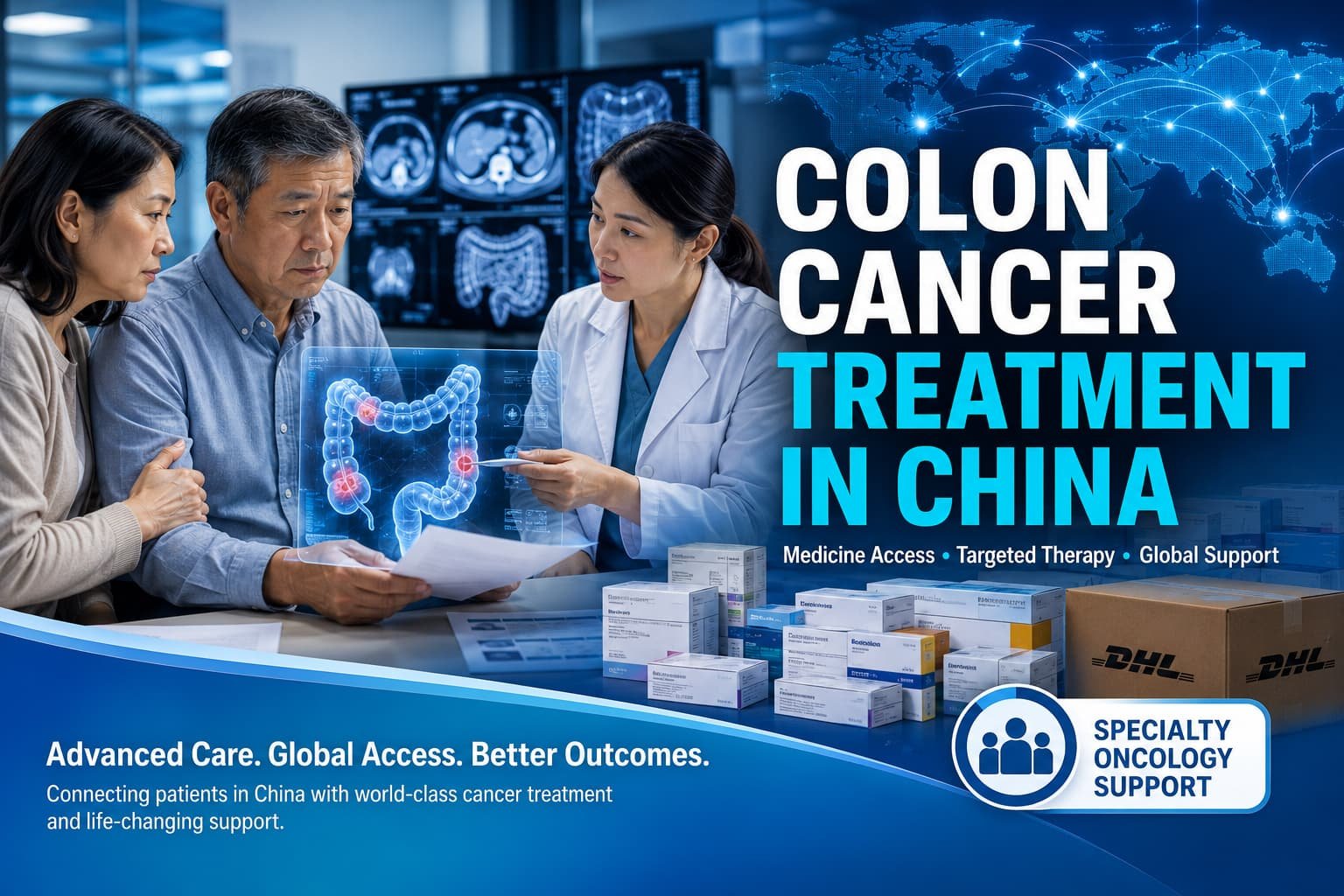
Colorectal cancer, also known as colon cancer or bowel cancer, is one of the most commonly diagnosed cancers worldwide and has become an increasingly important public health concern in China. With changing lifestyles, aging populations, and improved screening programs, more individuals and families are seeking reliable information regarding colorectal cancer symptoms, treatment options, specialty medicines, and global medicine access.
Modern oncology has introduced significant advances in colorectal cancer management, including targeted therapies, precision medicine, immunotherapy treatments, and personalized treatment approaches. These developments have improved treatment possibilities and created new options for patients with both early-stage and advanced colorectal cancer.
However, many patients and caregivers still face challenges related to medicine availability, understanding treatment options, high treatment costs, and access to specialty oncology medicines. Patients frequently search online using terms such as colorectal cancer treatment in China, colon cancer medicines, targeted therapy for colorectal cancer, medicine unavailable in my country, and international medicine access.
This guide explains colorectal cancer, common symptoms, risk factors, modern treatment approaches, targeted therapies, immunotherapy medicines, and important considerations regarding medicine access and patient support in China.
What Is Colorectal Cancer?
Colorectal cancer develops when abnormal cells grow uncontrollably in the colon or rectum. The disease often begins as small growths called polyps, which may gradually become cancerous over time. Early diagnosis and treatment are extremely important because colorectal cancer can often be managed more effectively when detected in its early stages.
The two major categories include:
- Colon Cancer
- Rectal Cancer
Although both are grouped together as colorectal cancer, treatment approaches may differ depending on the location of the tumor, cancer stage, and the patient's overall health condition.
Common Symptoms of Colorectal Cancer
Symptoms can vary depending on the size and location of the cancer. Some individuals may have no symptoms during the early stages of the disease.
Common symptoms may include:
- Persistent changes in bowel habits
- Constipation or diarrhea lasting several weeks
- Blood in the stool
- Abdominal pain or cramping
- Persistent bloating
- Unexplained weight loss
- Loss of appetite
- Weakness and fatigue
- A feeling that the bowel does not empty completely
Because these symptoms can occur in other digestive conditions, individuals should seek appropriate medical evaluation and diagnosis from qualified healthcare professionals.
Risk Factors for Colorectal Cancer
Several factors may increase the risk of developing colorectal cancer:
- Increasing age
- Family history of colorectal cancer
- Inherited genetic syndromes
- Obesity
- Lack of physical activity
- Smoking and tobacco use
- Excessive alcohol consumption
- Diets high in processed meats
- Inflammatory bowel diseases
- Type 2 diabetes
Understanding these risk factors may help improve awareness and encourage appropriate screening and preventive measures.
Modern Treatment Options for Colorectal Cancer
Treatment recommendations depend on the cancer stage, tumor characteristics, genetic findings, and the patient's overall health condition.
Common treatment approaches may include:
- Surgery
- Chemotherapy
- Radiation therapy
- Targeted therapy medicines
- Immunotherapy medicines
- Precision oncology treatments
- Palliative and supportive care
In recent years, advances in precision medicine have allowed treatments to become increasingly personalized for many patients with colorectal cancer.
Targeted Therapy for Colorectal Cancer
Targeted therapies are designed to act on specific molecular pathways involved in cancer growth. Molecular testing and biomarker analysis may help identify patients who could potentially benefit from certain treatment approaches.
Some commonly discussed biomarkers and genetic mutations include:
- KRAS mutations
- NRAS mutations
- BRAF mutations
- HER2 alterations
- MSI-H and dMMR biomarkers
These biomarkers have become increasingly important in modern colorectal cancer treatment discussions and precision medicine strategies.
Immunotherapy for Colorectal Cancer
Immunotherapy medicines work by helping the body's immune system recognize and respond to cancer cells. Certain patients with specific biomarkers, such as MSI-H or dMMR colorectal cancer, may discuss immunotherapy treatment options with their healthcare providers.
However, treatment decisions are highly individualized and should always be made with qualified oncology professionals.
Challenges Faced by Colorectal Cancer Patients
Many patients and families face difficulties during their cancer journey, including:
- High treatment costs
- Understanding complex treatment options
- Medicine availability concerns
- Access to specialty oncology medicines
- Emotional and financial stress
- Long-term treatment requirements
- Difficulty obtaining information regarding newer therapies
Patients and caregivers frequently seek reliable educational information regarding treatment options and medicine availability to make informed healthcare decisions.
Frequently Asked Questions
What is colorectal cancer?
Colorectal cancer is a type of cancer that develops in the colon or rectum and often begins as abnormal growths called polyps.
What are targeted therapies for colorectal cancer?
Targeted therapies are medicines designed to act on specific biological pathways and genetic mutations involved in cancer growth.
Can genetic testing influence treatment decisions?
Molecular and biomarker testing may provide information that helps guide treatment discussions and precision medicine approaches.
What is immunotherapy?
Immunotherapy medicines work by helping the immune system identify and respond to cancer cells.
Why do patients search for medicine access information?
Patients often seek information regarding treatment options, specialty medicines, medicine availability, and newer therapies to better understand their healthcare choices.
Conclusion
Colorectal cancer remains an important health challenge for patients and families in China and around the world. Advances in targeted therapies, immunotherapy medicines, biomarker testing, and precision oncology continue to improve treatment possibilities and expand understanding of the disease.
Access to reliable information regarding colorectal cancer symptoms, treatment options, medicine availability, and patient support remains essential in helping patients and caregivers make informed healthcare decisions and better understand modern oncology care.
Need Assistance?
RootAid Pharma provides information regarding specialty medicines, oncology medicine inquiries, global medicine access information, and pharmaceutical support for patients and healthcare partners worldwide.
Need help after reading this?
Talk to our support team for sourcing guidance, product availability, and global delivery assistance.