Severe Aplastic Anemia: Symptoms, Causes, Diagnosis and Treatment
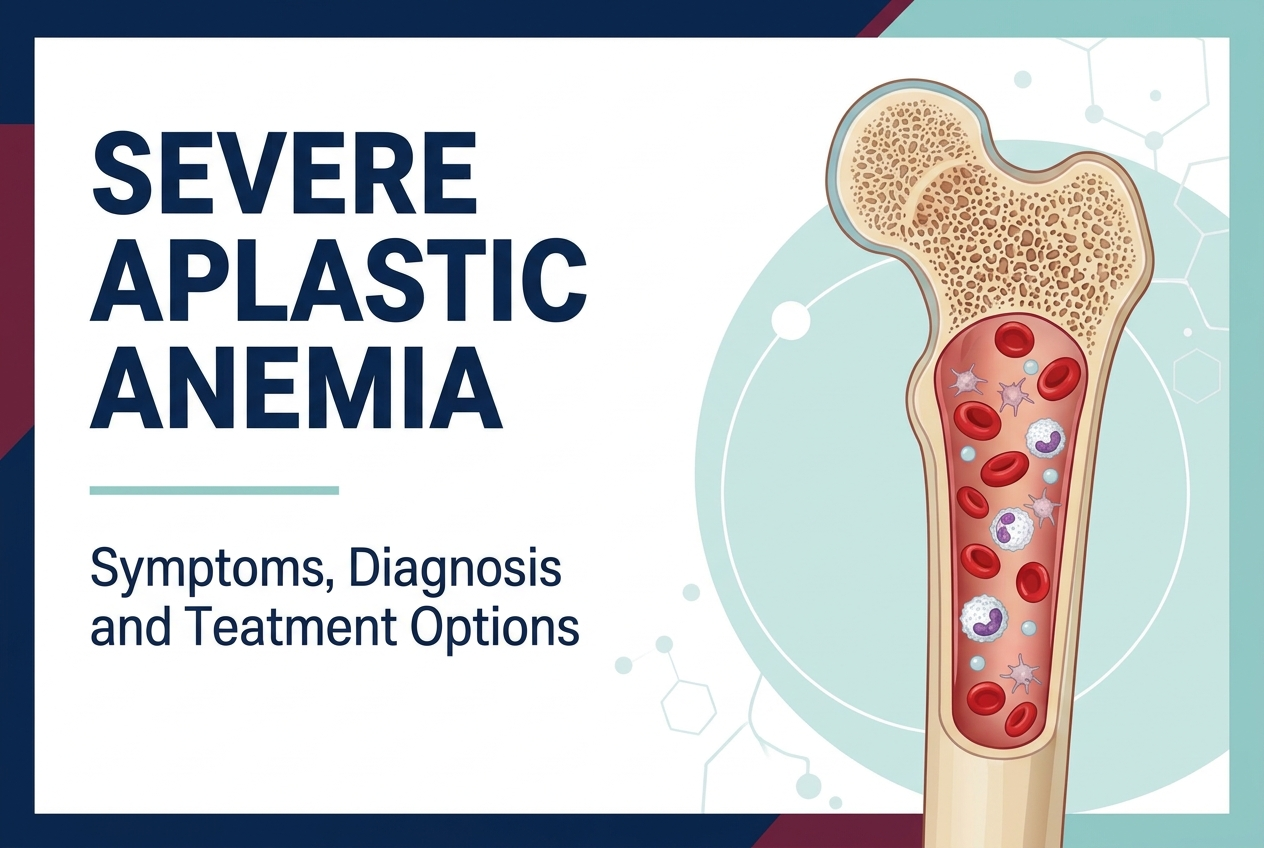
Severe Aplastic Anemia: Symptoms, Causes, Diagnosis and Treatment Options
Introduction
Severe aplastic anemia is a rare but serious blood disorder in which the bone marrow cannot produce enough new blood cells. Bone marrow is the soft tissue inside bones responsible for producing red blood cells, white blood cells, and platelets. When this process is impaired, patients may develop anemia, infections, and an increased risk of bleeding.
Aplastic anemia is not the same as leukemia or another blood cancer. However, it requires specialist assessment because it can cause life-threatening complications and may need urgent treatment.
Treatment depends on the severity of the disease, the patient's age and general health, the availability of a suitable stem cell donor, and the response to previous therapies. Options may include immunosuppressive treatment, hematopoietic stem cell transplantation, supportive care, and medicines that stimulate blood cell production in appropriate patients.
Eltrombopag is one medicine that specialists may use as part of treatment for severe aplastic anemia. It belongs to a class of medicines called thrombopoietin receptor agonists and helps stimulate blood cell production through pathways involving the bone marrow.
This guide explains severe aplastic anemia, its symptoms, possible causes, diagnosis, treatment approaches, and the role of eltrombopag.
What Is Severe Aplastic Anemia?
Aplastic anemia is a bone marrow failure disorder. In a healthy person, bone marrow continuously produces the blood cells needed to carry oxygen, fight infections, and control bleeding.
In aplastic anemia, the bone marrow becomes unable to make sufficient blood cells. This can lead to pancytopenia, a condition in which red blood cells, white blood cells, and platelets are all reduced.
The term “severe” refers to specific findings in blood tests and bone marrow examinations. Doctors use established clinical criteria to classify the condition and guide treatment.
The three main types of blood cells affected are:
Red blood cells: Carry oxygen throughout the body. Low levels may cause fatigue, weakness, and shortness of breath.
White blood cells: Help the body fight infections. Low levels can increase the risk of serious infection.
Platelets: Help blood clot. Low platelet counts can cause bruising, bleeding gums, and nosebleeds.
Severe aplastic anemia needs care from a hematologist, a specialist in blood disorders.
Causes and Risk Factors
In many patients, the exact cause of aplastic anemia is not identified. Acquired aplastic anemia is often associated with an abnormal immune response that damages blood-forming stem cells in the bone marrow.
Potential causes or associated factors include:
1. Immune System Dysfunction
The immune system may mistakenly attack the cells responsible for producing blood cells. This is an important mechanism in many cases of acquired aplastic anemia.
2. Certain Medicines and Chemicals
Some medicines and chemical exposures have been associated with bone marrow injury. However, a patient's history and clinical evaluation are necessary before attributing the disease to a specific exposure.
Patients should not stop prescribed medicines without consulting their healthcare professional.
3. Viral Infections
Certain viral infections may be associated with aplastic anemia. A specialist may recommend testing for relevant infections based on the patient's symptoms and medical history.
4. Radiation or Toxic Exposures
Exposure to certain high-dose radiation sources or toxic chemicals can damage bone marrow. The significance of an exposure depends on its type, intensity, and timing.
5. Inherited Conditions
Rare inherited bone marrow failure syndromes can cause aplastic anemia or similar blood abnormalities. These conditions may require specialized genetic testing and family assessment.
6. Unknown Causes
Many cases remain unexplained even after investigation. A lack of an identifiable cause does not mean that the condition is less serious or cannot be treated.
Symptoms of Severe Aplastic Anemia
Symptoms may develop gradually or become noticeable over a short period. They often reflect low levels of one or more blood cell types.
Symptoms Related to Anemia
Persistent tiredness or weakness
Pale skin
Dizziness or lightheadedness
Shortness of breath, especially during activity
Rapid heartbeat
Symptoms Related to Low Platelets
Easy bruising
Small red or purple spots on the skin, known as petechiae
Frequent nosebleeds
Bleeding gums
Bleeding that lasts longer than expected
Symptoms Related to Low White Blood Cells
Frequent infections
Fever
Infections that are unusually severe or difficult to treat
Not every patient experiences all these symptoms. Some people first discover the condition after a routine blood test shows abnormal blood counts.
Important: Fever during severe neutropenia, significant bleeding, severe breathlessness, or fainting requires urgent medical assessment.
How Is Severe Aplastic Anemia Diagnosed?
Diagnosis involves blood tests, bone marrow examination, and investigations to rule out other conditions that can cause low blood cell counts.
Complete Blood Count
A complete blood count (CBC) measures red blood cells, white blood cells, hemoglobin, and platelets. Results help doctors identify which blood cell types are reduced.
Peripheral Blood Smear
A blood smear allows a laboratory specialist to examine blood cells under a microscope. It can help identify abnormalities and support the diagnostic process.
Bone Marrow Aspiration and Biopsy
A bone marrow examination is an important part of diagnosis. In aplastic anemia, the marrow is typically markedly hypocellular, meaning it contains fewer blood-forming cells than expected.
The results help distinguish aplastic anemia from leukemia, myelodysplastic syndromes, and other causes of bone marrow failure.
Additional Investigations
Depending on the case, the hematologist may recommend:
Tests for relevant viral infections
Liver and kidney function tests
Vitamin and nutritional assessments
Tests for inherited bone marrow failure syndromes
Flow cytometry or other specialized studies
Evaluation for paroxysmal nocturnal hemoglobinuria (PNH)
These investigations help establish the diagnosis, assess complications, and select appropriate treatment.
Treatment Options for Severe Aplastic Anemia
Treatment is individualized. The goal is to improve blood cell production, reduce the risk of infection and bleeding, and achieve a durable response.
1. Hematopoietic Stem Cell Transplantation
Hematopoietic stem cell transplantation, commonly called a stem cell or bone marrow transplant, may be a potentially curative treatment for selected patients.
It replaces damaged blood-forming stem cells with healthy donor stem cells. Suitability depends on factors such as age, overall health, donor availability, disease characteristics, and transplant-related risks.
Transplantation requires specialist evaluation and long-term follow-up.
2. Immunosuppressive Therapy
For patients who are not proceeding directly to transplantation, immunosuppressive treatment is an important option.
Depending on the treatment plan, this may include medicines such as antithymocyte globulin and cyclosporine. These treatments aim to reduce the immune attack on bone marrow stem cells.
Eltrombopag may be added to standard immunosuppressive therapy in appropriate patients. The combination and timing should be selected by a hematologist.
3. Eltrombopag
Eltrombopag is an oral thrombopoietin receptor agonist. It activates a receptor involved in the regulation of blood cell production and can support the activity of bone marrow progenitor cells.
For severe aplastic anemia, eltrombopag may be prescribed in combination with standard immunosuppressive therapy as a first-line treatment in eligible patients. It may also be used for patients whose disease has not responded adequately to previous immunosuppressive treatment.
The decision to use eltrombopag depends on the patient's clinical condition, laboratory findings, other medicines, and the applicable treatment guidance.
How Does Eltrombopag Work?
Eltrombopag activates the thrombopoietin receptor, which plays a role in blood cell development. Although the receptor is associated with platelet production, its activity can also support other blood-forming cells in the bone marrow.
The treatment aims to improve blood counts. The extent and timing of response vary between patients, and regular laboratory monitoring is essential.
Eltrombopag is not a general cancer treatment and should not be described as a medicine that cures cancer.
ELOPAG 50 mg: Product Information
ELOPAG 50 mg contains eltrombopag as its active ingredient. The supplied product information identifies the pack size as 14 tablets.
The medicine may be prescribed for selected conditions involving low platelet counts or severe aplastic anemia. However, the appropriate indication, dose, duration, and monitoring schedule must be determined by the treating specialist.
The strength of a tablet and the number of tablets in a pack do not establish the correct treatment schedule for an individual patient.
4. Supportive Care
Supportive care helps manage complications while the patient receives disease-directed treatment.
It may include:
Blood or platelet transfusions when clinically indicated
Prompt assessment and treatment of infections
Preventive antimicrobial treatment for selected high-risk patients
Monitoring of blood counts and organ function
Advice about reducing bleeding and infection risks
Transfusion decisions should be based on the patient's clinical condition and specialist guidance.
5. Clinical Trials
Some patients may be eligible for clinical trials evaluating new treatments or combinations. A hematologist can explain whether a suitable trial is available and discuss its potential benefits and risks.
Important Safety Information About Eltrombopag
Eltrombopag requires medical supervision. It can cause liver-related problems and may increase the risk of blood clots in some patients. Platelet counts that rise excessively can also create risks.
Doctors commonly monitor blood counts and liver function before and during treatment. Additional monitoring may be needed depending on the patient's condition and treatment regimen.
Eltrombopag can interact with calcium-rich foods, antacids, iron, and certain mineral supplements. These products can reduce its absorption. Follow the product-specific instructions provided by the prescribing clinician or pharmacist about timing and food restrictions.
Patients should not start, stop, or change the dose on their own. The medicine is not suitable for every patient with a low platelet count.
Possible Side Effects
Side effects vary by patient and treatment setting. Reported effects may include:
Nausea or diarrhea
Headache
Fatigue
Cough
Fever
Changes in liver enzyme test results
More serious risks include liver injury and thrombotic or thromboembolic complications. Patients should seek urgent medical advice for symptoms such as yellowing of the eyes or skin, dark urine, severe abdominal pain, sudden chest pain, sudden shortness of breath, or one-sided leg swelling.
This list is not exhaustive. The prescribing information and advice from the treating team should guide individual decisions.
Living With Severe Aplastic Anemia
Living with aplastic anemia can be physically and emotionally challenging. Regular follow-up is important even when symptoms improve.
Reduce Infection Risks
Follow the healthcare team's recommendations about hand hygiene, avoiding exposure to people with contagious illnesses, and seeking prompt advice when fever develops.
Reduce Bleeding Risks
Patients with low platelet counts may need to avoid activities with a high risk of injury. Ask the treating team before using aspirin, nonsteroidal anti-inflammatory medicines, or supplements that may affect bleeding.
Maintain Nutrition and Hydration
A balanced diet and adequate hydration support general health, although nutrition alone cannot correct severe bone marrow failure. Ask the clinical team whether any food restrictions or nutritional support are needed.
Attend Follow-Up Appointments
Blood counts, liver tests, treatment response, and adverse effects may need repeated assessment. Keep appointments and report new symptoms promptly.
Seek Emotional Support
A serious blood disorder can cause anxiety for patients and their families. Support from loved ones, counseling services, and patient support groups may help with coping and treatment planning.
Prognosis and Long-Term Outlook
The outlook for severe aplastic anemia varies. Some patients respond to immunosuppressive therapy, while others may benefit from stem cell transplantation. Treatment response, age, infections, complications, donor availability, and other medical factors all influence the outcome.
Regular follow-up remains important because relapse, persistent low blood counts, treatment-related complications, and other bone marrow disorders may require further evaluation.
Only the treating hematology team can provide an individualized assessment based on examination findings, test results, and response to therapy.
Medicine Information Through RootAid Pharma
Patients and caregivers seeking information about specialist medicines can visit RootAid Pharma at https://rootaidpharma.com.bd.
For ELOPAG 50 mg (eltrombopag), contact the website or its team to enquire about current product information and availability. Availability should be confirmed directly.
Eltrombopag is a prescription medicine that requires specialist supervision. Patients should follow the instructions of their treating hematologist and should not change treatment based on online information alone.
Frequently Asked Questions
1. Is severe aplastic anemia a type of cancer?
No. Severe aplastic anemia is a bone marrow failure disorder, not a cancer. It can nevertheless be serious and requires specialist treatment.
2. What is the main problem in aplastic anemia?
The bone marrow does not produce enough blood cells. This may lead to anemia, increased infection risk, and bleeding due to low platelet counts.
3. What is eltrombopag used for?
Eltrombopag is used in selected patients with chronic immune thrombocytopenia, severe aplastic anemia, and certain cases of chronic hepatitis C-associated thrombocytopenia.
4. Is ELOPAG 50 mg a cancer medicine?
ELOPAG 50 mg contains eltrombopag. It is not a direct cancer treatment. It may be used in the treatment of severe aplastic anemia or other approved conditions involving low platelet counts.
5. Can eltrombopag cure aplastic anemia?
It may improve blood cell production in appropriate patients, but it cannot be described as a guaranteed cure. Treatment outcomes vary, and other therapies may be necessary.
6. How is severe aplastic anemia diagnosed?
Diagnosis usually involves a complete blood count, peripheral blood smear, bone marrow aspiration and biopsy, and additional tests to exclude other causes of bone marrow failure.
7. Does every patient with aplastic anemia need a transplant?
No. Treatment depends on disease severity, age, donor availability, general health, and other clinical factors. Some patients receive immunosuppressive therapy with or without eltrombopag.
8. What are the common symptoms of aplastic anemia?
Symptoms may include fatigue, pale skin, shortness of breath, easy bruising, bleeding gums, frequent infections, and fever.
9. Does eltrombopag require regular blood tests?
Yes. Blood counts and liver function generally require monitoring. The treating specialist determines the appropriate schedule.
10. Can patients take calcium supplements with eltrombopag?
Calcium and other mineral products can interfere with eltrombopag absorption. Follow the prescribed instructions on how to separate the medicine from calcium-rich foods, antacids, and mineral supplements.
11. Is ELOPAG 50 mg suitable for everyone with low platelets?
No. The cause of the low platelet count must be established. Eltrombopag is prescribed only for appropriate indications under medical supervision.
12. Where can I enquire about ELOPAG 50 mg?
Visit https://rootaidpharma.com.bd to enquire about medicine information and current availability. Product availability should be confirmed directly.
Medical Disclaimer
This article is intended for educational and informational purposes only. It does not replace professional medical advice, diagnosis, or treatment. Severe aplastic anemia can be life-threatening and should be managed by a qualified hematologist.
Eltrombopag must be used only under appropriate medical supervision. The correct treatment and dose depend on the patient's diagnosis, age, laboratory results, liver function, other medicines, and clinical response. Always consult the prescribing clinician and official product information before making treatment decisions.
Need help after reading this?
Talk to our support team for sourcing guidance, product availability, and global delivery assistance.