NTRK Fusion-Positive Cancer: Types, Symptoms, Diagnosis and Targeted Treatment
NTRK Fusion-Positive Cancer: Types, Symptoms, Diagnosis and Targeted Treatment
Introduction
Cancer is not always defined only by the organ in which it begins. In some cases, the genetic changes inside cancer cells are more important for selecting treatment than the tumor's original location. One example is NTRK fusion-positive cancer, a group of rare solid tumors that share a specific genetic alteration.
NTRK gene fusions can occur in different types of tumors and across different age groups. These alterations can cause abnormal TRK proteins to send continuous signals that encourage cancer cells to grow and survive. Because the same molecular change may appear in tumors from different organs, doctors may consider a targeted treatment based on the genetic test result rather than the tumor location alone.
Larotrectinib is an oral targeted therapy known as a TRK inhibitor. It is used for certain adult and pediatric patients with NTRK fusion-positive solid tumors when the disease meets the applicable treatment criteria. Treatment decisions require specialist assessment and appropriate molecular testing.
This guide explains NTRK fusion-positive cancer, its possible tumor types, symptoms, diagnosis, treatment approaches and the role of larotrectinib.
What Is NTRK Fusion-Positive Cancer?
NTRK fusion-positive cancer refers to a solid tumor that contains a genetic alteration called an NTRK gene fusion.
The human body has three NTRK genes:
NTRK1
NTRK2
NTRK3
These genes provide instructions for making proteins known as TRKA, TRKB and TRKC. These proteins belong to a group called tropomyosin receptor kinases. They normally help regulate functions such as the development and maintenance of nerve cells.
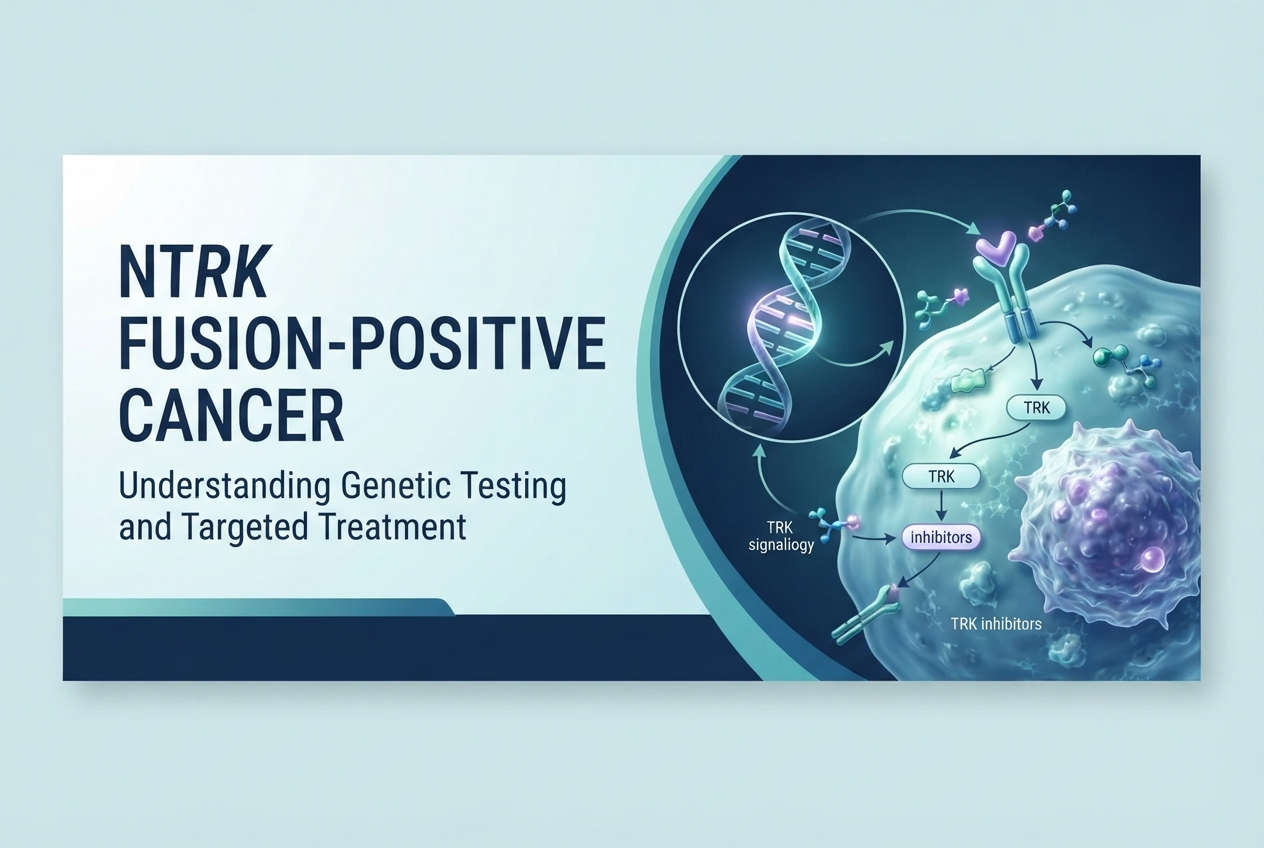
An NTRK gene fusion occurs when part of an NTRK gene becomes joined to another gene. This rearrangement can produce an abnormal fusion protein that remains switched on and continuously activates cell-growth signals.
In some tumors, these signals contribute to uncontrolled cell growth and cancer development.
NTRK gene fusions are uncommon overall, but they can be found in a variety of solid tumors. Some rare cancers have a relatively high likelihood of containing an NTRK fusion, while the alteration is much less common in many more frequent cancers.
Types of Cancer That May Have NTRK Gene Fusions
NTRK gene fusions are not limited to one organ. They have been identified in several types of solid tumors.
Examples include:
1. Infantile Fibrosarcoma
Infantile fibrosarcoma is a rare soft-tissue cancer that usually occurs in infants and young children. Many cases are associated with an NTRK gene fusion, particularly involving NTRK1.
2. Secretory Breast Carcinoma
Secretory breast carcinoma is a rare subtype of breast cancer. It is frequently associated with an ETV6-NTRK3 gene fusion.
3. Salivary Gland Cancer
Some salivary gland tumors, particularly mammary analogue secretory carcinoma (also called secretory carcinoma), may contain NTRK gene fusions.
4. Thyroid Cancer
Certain thyroid cancers, including some pediatric and advanced thyroid tumors, may contain NTRK gene fusions. Molecular testing can help identify these cases.
5. Soft-Tissue Sarcomas
Some soft-tissue tumors and sarcomas may have NTRK gene rearrangements. The presence of the fusion can influence the treatment strategy.
6. Lung Cancer
NTRK gene fusions are uncommon in lung cancer, but they can occur in certain patients. Molecular profiling may identify this alteration when testing is appropriate.
7. Gastrointestinal and Other Solid Tumors
NTRK fusions have also been reported in selected gastrointestinal, gynecological, and other solid tumors. The frequency varies considerably by tumor type.
Important: Having one of these cancer types does not automatically mean that the tumor is NTRK-positive. The genetic alteration must be identified through suitable testing, except in certain specific tumor situations where treatment guidance may allow consideration based on the diagnosis.
Causes and Risk Factors
NTRK fusion-positive cancer develops because of a genetic rearrangement in tumor cells. In many patients, the exact reason why the rearrangement occurs is not known.
It is important to distinguish between an acquired genetic alteration in a tumor and an inherited genetic condition. NTRK fusions relevant to cancer treatment are generally identified in the tumor itself and do not necessarily mean that the patient inherited the alteration from a parent.
Potential factors associated with NTRK fusion-positive tumors include:
Specific tumor biology
Certain rare cancer subtypes
Age-related patterns in particular tumor types
Genetic rearrangements occurring during cell development
There is no established lifestyle change that can reliably prevent an NTRK gene fusion.
Symptoms of NTRK Fusion-Positive Cancer
NTRK fusion-positive cancer does not have one unique set of symptoms. Symptoms depend on the original location, size, stage and behavior of the tumor.
Possible symptoms may include:
An unusual lump or swelling
Persistent pain in the affected area
Unexplained weight loss
Fatigue or weakness
Changes in bowel habits
Persistent cough or breathing difficulties
Difficulty swallowing
Abdominal discomfort or swelling
Unusual bleeding
Symptoms caused by pressure on nearby organs or nerves
Some tumors may not cause noticeable symptoms during their early stages. Others may produce symptoms depending on their location.
Anyone experiencing persistent or unexplained symptoms should seek medical evaluation rather than assuming that they indicate a specific cancer.
How Is NTRK Fusion-Positive Cancer Diagnosed?
Diagnosis involves identifying the tumor and determining whether it contains an NTRK gene fusion.
1. Medical History and Physical Examination
The doctor reviews symptoms, medical history and relevant risk factors. A physical examination may help identify a mass, swelling or other signs requiring further investigation.
2. Imaging Tests
Imaging may be used to locate the tumor, assess its size and determine whether it has spread.
Depending on the suspected cancer, investigations may include:
CT scan
MRI
PET scan
Ultrasound
X-ray
The choice of imaging depends on the patient's clinical condition and the suspected tumor location.
3. Biopsy
A biopsy involves collecting a sample of tumor tissue for examination. A pathologist studies the sample to determine whether cancer cells are present and to identify the tumor type.
4. Molecular and Genetic Testing
Molecular testing is particularly important when considering larotrectinib treatment.
Testing methods may include:
Next-generation sequencing (NGS)
RNA-based fusion testing
DNA-based sequencing
Fluorescence in situ hybridization (FISH)
Other validated molecular diagnostic methods
RNA-based testing can be particularly useful for identifying gene fusions. The treating specialist and pathology team determine which test is appropriate for the tumor sample.
5. Confirmation of Treatment Eligibility
Finding an NTRK fusion does not automatically mean that every patient should receive larotrectinib.
Doctors consider the tumor's location, stage, prior treatments, available alternatives, molecular findings and the patient's overall condition before recommending treatment.
Stages of NTRK Fusion-Positive Cancer
NTRK fusion-positive cancer does not have a separate staging system. The stage is determined by the original cancer type and its location.
Many solid tumors are classified using the TNM system:
T (Tumor): Describes the size and extent of the primary tumor.
N (Nodes): Indicates whether nearby lymph nodes are affected.
M (Metastasis): Indicates whether cancer has spread to distant parts of the body.
Some cancers use different staging systems. A specialist explains the stage and what it means for treatment planning.
The molecular status of the tumor and its anatomical stage are separate pieces of information. Both may be important when choosing treatment.
Treatment Options for NTRK Fusion-Positive Cancer
Treatment depends on the original tumor type, disease stage, molecular test results, previous treatment and the patient's overall health.
Possible approaches include surgery, radiation therapy, chemotherapy and targeted therapy.
1. Surgery
Surgery may be considered when the tumor can be removed safely and completely. The decision depends on its location, size and relationship with nearby organs or structures.
For some patients, surgery may offer an important treatment option. In other cases, removal could cause severe complications or may not be possible.
2. Radiation Therapy
Radiation therapy uses high-energy radiation to damage cancer cells. It may be used to control a tumor, treat a particular area or relieve symptoms.
The role of radiation depends on the tumor type and the overall treatment plan.
3. Chemotherapy
Chemotherapy uses medicines that damage or destroy rapidly dividing cells. It may be recommended for certain tumor types or when other treatment approaches are needed.
The usefulness of chemotherapy varies according to the specific cancer and its clinical characteristics.
4. Targeted Therapy
Targeted therapy focuses on specific molecular changes that help cancer cells grow.
For NTRK fusion-positive tumors, TRK inhibitors can block signals produced by abnormal TRK fusion proteins.
Larotrectinib is one such medicine. It is designed to inhibit TRKA, TRKB and TRKC activity associated with NTRK gene fusions.
Larotrectinib: A Targeted Treatment for NTRK Fusion-Positive Solid Tumors
Larotrectinib is an oral, selective TRK inhibitor used for certain patients with NTRK fusion-positive solid tumors.
It is not a general treatment for every type of cancer. Its use depends on the presence of the relevant genetic alteration and the applicable clinical eligibility criteria.
The US FDA indication covers adult and pediatric patients with solid tumors that:
Have an NTRK gene fusion without a known acquired resistance mutation
Are metastatic, or where surgical removal is likely to result in severe morbidity
Have no satisfactory alternative treatment options or have progressed following treatment
The tumor should be assessed using an appropriate molecular test, and treatment should be prescribed by an oncology specialist.
How Does Larotrectinib Work?
NTRK gene fusions can produce abnormal TRK fusion proteins. These proteins may activate signaling pathways that encourage cancer cells to grow.
Larotrectinib blocks the activity of TRKA, TRKB and TRKC. By inhibiting these proteins, the medicine can interfere with signals that support the growth of certain NTRK fusion-positive tumors.
This approach is an example of precision oncology, where treatment is selected according to a specific molecular feature of the cancer.
Larotrectinib Capsule Information
Larotrectinib is available in capsule and oral solution formulations in certain markets. The 100 mg capsule is one recognized strength in the approved VITRAKVI product information.
The product information supplied for this article lists:
Product name provided: Tractoni
Generic name: Larotrectinib
Strength provided: 100 mg
Pack size provided: 30 capsules
The brand name and pack presentation above are reproduced from the information supplied. They should be checked against the actual product packaging and registration information before publication or dispensing.
Is Larotrectinib Suitable for Every Cancer Patient?
No. Larotrectinib is not suitable for every person diagnosed with cancer.
A patient generally needs evidence of an NTRK gene fusion and must meet the relevant treatment criteria. A patient with lung, breast, thyroid, colorectal or another cancer should not be assumed to qualify based only on the organ where the cancer began.
Molecular testing and specialist assessment are essential.
Possible Side Effects of Larotrectinib
Like other targeted cancer medicines, larotrectinib can cause side effects. Their severity and frequency vary among patients.
Reported adverse reactions include:
Fatigue
Nausea
Vomiting
Dizziness
Constipation
Diarrhea
Cough
Increased liver enzymes
Changes in mental function or mood
Sleep disturbances
Larotrectinib may also cause liver-related abnormalities and central nervous system effects. Patients may require clinical assessment and laboratory monitoring during treatment.
Patients should promptly report new, severe or worsening symptoms to their oncology team. They should not stop, restart or change the dose without medical advice.
Monitoring During Larotrectinib Treatment
Monitoring helps doctors assess treatment response and identify possible adverse effects.
Depending on the patient's condition, monitoring may include:
Liver function tests
Clinical assessment of side effects
Neurological or cognitive symptom assessment
Physical examination
Imaging to evaluate tumor response
Additional molecular testing when clinically appropriate
The monitoring schedule is individualized by the treating specialist.
Living With NTRK Fusion-Positive Cancer
A cancer diagnosis can affect physical health, emotional well-being, family life and finances. Supportive care is an important part of the overall treatment plan.
Patients may benefit from:
Balanced Nutrition
A balanced diet can help maintain strength and support general health. Patients experiencing nausea, appetite loss or digestive symptoms may need individualized dietary advice.
Physical Activity
Appropriate physical activity may help reduce fatigue and maintain mobility. The type and intensity should be adjusted according to the patient's condition and the doctor's recommendations.
Emotional Support
Counselling, family support and patient support groups may help people cope with anxiety, uncertainty and the emotional challenges of cancer treatment.
Regular Follow-Up
Patients should attend scheduled appointments and report new symptoms. Follow-up helps doctors assess treatment response and adjust care when necessary.
Understanding the Molecular Diagnosis
Patients may wish to ask their oncology team:
Was an NTRK gene fusion confirmed?
Which NTRK gene is involved?
Which molecular test was used?
Are there alternative treatment options?
What benefits and risks are expected from targeted therapy?
What monitoring will be required?
Understanding the molecular report can help patients take part in informed treatment decisions.
The Importance of Precision Oncology
Precision oncology is changing the way some cancers are treated. Instead of selecting therapy only according to the organ where a tumor started, doctors can sometimes use molecular information to identify treatments that target a specific cancer-driving alteration.
NTRK fusion-positive cancer is an important example of this approach. Although NTRK fusions are rare, they can occur across different tumor types. Identifying the fusion may provide access to a targeted treatment option such as larotrectinib for eligible patients.
However, targeted therapy is not a guaranteed cure. Treatment response differs among patients, and some tumors may develop resistance or progress despite treatment. Ongoing specialist care remains essential.
Medicine Information from RootAid Pharma
Patients, caregivers and healthcare professionals seeking information about oncology medicines can visit RootAid Pharma.
For medicine-related enquiries, product information and availability checks, visit:
Please confirm the product's generic name, strength, pack size, manufacturer and current availability directly before purchase. RootAid Pharma is referenced here as a medicine information and trading website, not as the manufacturer of the medicine.
Conclusion
NTRK fusion-positive cancer is a rare but clinically important group of solid tumors defined by a specific genetic alteration. Because NTRK fusions can occur in different organs, molecular testing plays an important role in identifying patients who may benefit from targeted treatment.
Larotrectinib is an oral TRK inhibitor used for eligible adults and children with certain NTRK fusion-positive solid tumors. Treatment selection, monitoring and decisions about continuing therapy should always be managed by an experienced oncology team.
For additional medicine information and availability enquiries, visit RootAid Pharma at https://rootaidpharma.com.bd.
Frequently Asked Questions (FAQs)
1. What is NTRK fusion-positive cancer?
It is a solid tumor containing a genetic rearrangement involving an NTRK gene. This alteration can produce abnormal TRK fusion proteins that contribute to cancer cell growth.
2. Is NTRK fusion-positive cancer a single type of cancer?
No. NTRK fusions can occur in different solid tumors, including selected breast, thyroid, lung, salivary gland and soft-tissue cancers.
3. What does NTRK stand for?
NTRK stands for neurotrophic receptor tyrosine kinase. The NTRK1, NTRK2 and NTRK3 genes encode the TRKA, TRKB and TRKC proteins.
4. How is NTRK fusion detected?
It is identified through molecular testing of tumor tissue. Depending on the case, testing may include next-generation sequencing, RNA-based fusion testing or other validated methods.
5. What is larotrectinib used for?
Larotrectinib is used for certain adult and pediatric patients with NTRK fusion-positive solid tumors that meet the relevant treatment criteria.
6. Is larotrectinib a chemotherapy medicine?
No. Larotrectinib is a targeted therapy known as a TRK inhibitor. It works by blocking abnormal TRK signaling associated with NTRK gene fusions.
7. Can larotrectinib treat all types of cancer?
No. Its use is based on the presence of an appropriate NTRK gene fusion and the patient's clinical eligibility, not simply on the cancer's organ of origin.
8. Is larotrectinib used in children?
Yes. It is approved for certain pediatric patients with eligible NTRK fusion-positive solid tumors. Pediatric treatment and dosing require specialist assessment.
9. Does every patient with an NTRK fusion qualify for larotrectinib?
No. Doctors also consider disease status, resistance mutations, available alternatives, previous treatment and the patient's overall condition.
10. What are common side effects of larotrectinib?
Reported side effects include fatigue, nausea, dizziness, vomiting, constipation, diarrhea and increased liver enzymes. Other important effects may involve the central nervous system and liver.
11. Does larotrectinib require monitoring?
Yes. The oncology team may monitor liver function, neurological symptoms, treatment tolerance and tumor response.
12. Can NTRK fusion-positive cancer be cured?
The possibility of cure depends on the tumor type, stage, treatment options and response. Targeted therapy may provide meaningful disease control for some patients, but a cure cannot be guaranteed.
13. Is NTRK fusion inherited?
Cancer-associated NTRK fusions are generally identified as alterations in tumor cells. Their presence does not automatically mean that the alteration is inherited.
14. What is precision oncology?
Precision oncology uses information about a tumor's molecular or genetic characteristics to help select treatment. Larotrectinib treatment for eligible NTRK fusion-positive tumors is one example.
15. Where can I find medicine information about larotrectinib?
For medicine information and availability enquiries, visit RootAid Pharma at https://rootaidpharma.com.bd. Confirm current product details and availability directly.
Medical Disclaimer
This article is intended for general educational and informational purposes only. It does not replace professional medical advice, diagnosis or treatment. Larotrectinib is a prescription anticancer medicine and should only be used under the supervision of a qualified oncology specialist. Treatment eligibility requires appropriate clinical and molecular assessment. Never start, stop or change cancer treatment without consulting the treating doctor.
References
US Food and Drug Administration (FDA). VITRAKVI (larotrectinib) Prescribing Information.
National Cancer Institute (NCI). Larotrectinib Sulfate – Drug Information.
National Cancer Institute. Larotrectinib – Agent Description and Mechanism of Action.
Electronic Medicines Compendium. VITRAKVI 100 mg Capsules – Summary of Product Characteristics.
Need help after reading this?
Talk to our support team for sourcing guidance, product availability, and global delivery assistance.