Nivolumab: Uses in Cancer Treatment, Benefits, Mechanism and Side Effects
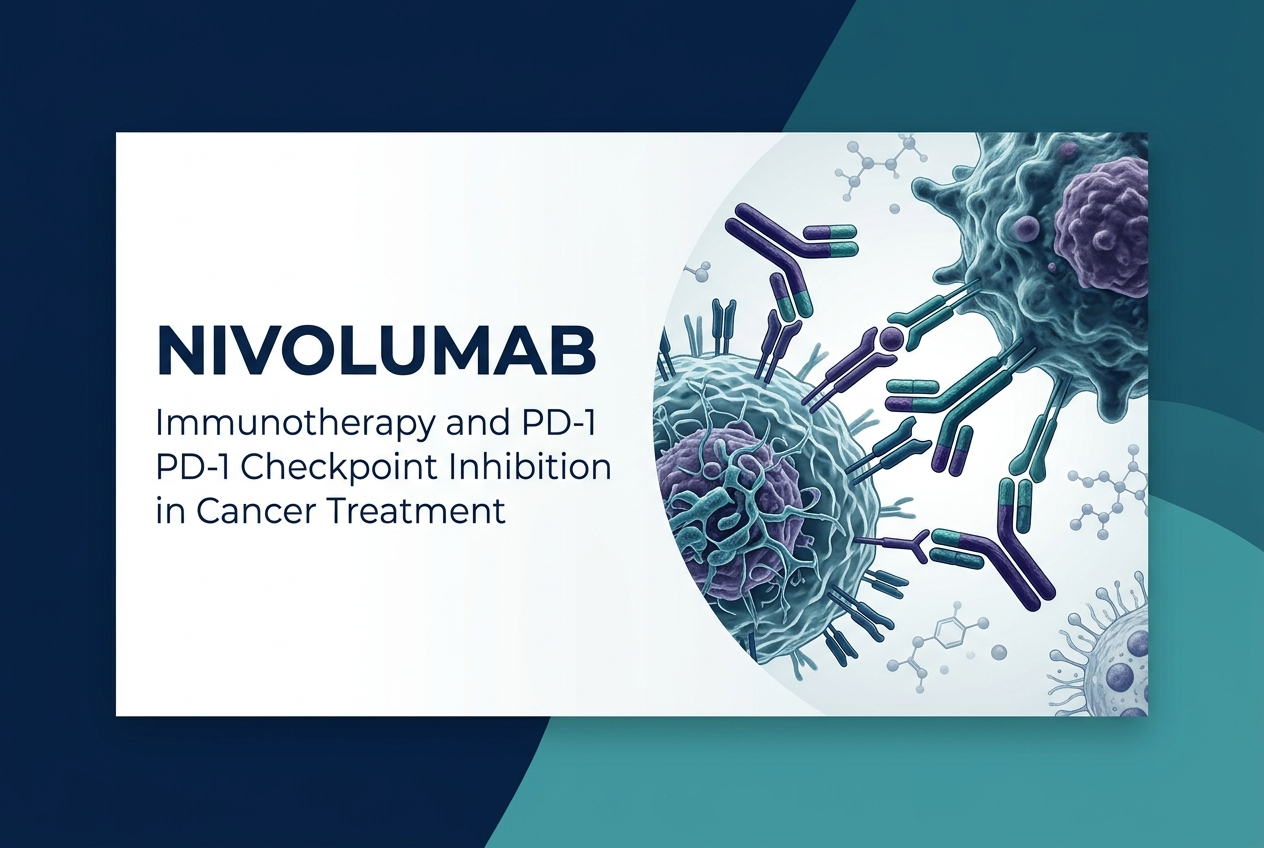
Nivolumab: Uses in Cancer Treatment, Benefits, Mechanism and Side Effects
Introduction
Cancer treatment has advanced significantly with the development of immunotherapy, an approach that helps the body's immune system recognize and fight cancer cells. One important immunotherapy medicine is Nivolumab, a prescription medicine used in the treatment of several types of cancer.
Nivolumab is a monoclonal antibody and an immune checkpoint inhibitor. It targets a protein called programmed death-1 (PD-1), which cancer cells can exploit to reduce the activity of immune cells. By blocking this pathway, Nivolumab can help the immune system recognize and attack cancer cells.
Depending on the cancer type and clinical circumstances, Nivolumab may be used alone or in combination with other cancer medicines, including chemotherapy or another immunotherapy medicine.
This article explains what Nivolumab is, how it works, which cancers it may treat, possible side effects, monitoring requirements and important considerations for patients.
What Is Nivolumab?
Nivolumab is a targeted immunotherapy medicine classified as a PD-1 immune checkpoint inhibitor. It is a human monoclonal antibody designed to bind to the PD-1 receptor on immune cells.
PD-1 is a checkpoint protein that normally helps prevent the immune system from attacking healthy tissues. However, some cancer cells use this pathway to avoid immune-system detection.
Nivolumab blocks the interaction between PD-1 and its ligands, PD-L1 and PD-L2. This can restore or increase the activity of certain immune cells against cancer.
Nivolumab is not a conventional chemotherapy medicine. Instead of directly targeting rapidly dividing cells, it works by modifying an important immune-regulatory pathway.
Which Cancers Can Be Treated With Nivolumab?
Nivolumab has approved uses in multiple cancer types. The exact approved indications differ by country and may change as new clinical evidence and regulatory approvals become available.
Examples of cancer types in which Nivolumab may be used include:
1. Melanoma
Melanoma is a type of skin cancer that develops from pigment-producing cells called melanocytes. Nivolumab may be used for certain patients with unresectable or metastatic melanoma.
It may also be used after surgery in selected patients to reduce the risk of cancer recurrence. In some treatment plans, it is combined with another immunotherapy medicine called Ipilimumab.
2. Non-Small Cell Lung Cancer (NSCLC)
Non-small cell lung cancer is the most common broad category of lung cancer. Nivolumab may be used in selected patients with resectable, recurrent or metastatic NSCLC.
Depending on the clinical situation, it may be prescribed alone or in combination with chemotherapy or Ipilimumab. Tumour characteristics, previous treatment and molecular testing can influence treatment selection.
3. Renal Cell Carcinoma (Kidney Cancer)
Renal cell carcinoma is the most common type of kidney cancer in adults. Nivolumab may be used in advanced kidney cancer, including in combination with Ipilimumab or Cabozantinib in specific treatment settings.
The choice of treatment depends on disease risk, previous therapy, general health and the patient's clinical assessment.
4. Urothelial Carcinoma (Bladder and Urinary Tract Cancer)
Urothelial carcinoma commonly develops in the lining of the bladder, but it can also affect other parts of the urinary tract.
Nivolumab may be used in selected patients with high-risk disease after surgery or with advanced or metastatic urothelial carcinoma. It may be prescribed alone or with chemotherapy, depending on the approved indication and treatment setting.
5. Colorectal Cancer
Nivolumab may be used for certain patients with unresectable or metastatic colorectal cancer whose tumours have specific biomarkers, particularly microsatellite instability-high (MSI-H) or mismatch repair deficiency (dMMR).
These biomarkers help identify patients who may benefit from immune checkpoint inhibitor treatment. Testing is important before treatment selection.
6. Head and Neck Cancer
Certain patients with recurrent or metastatic squamous cell carcinoma of the head and neck may receive Nivolumab, particularly when the disease has progressed during or after platinum-based chemotherapy.
Treatment decisions depend on the patient's previous treatment, disease status and clinical eligibility.
7. Hodgkin Lymphoma
Nivolumab is also used in certain cases of classical Hodgkin lymphoma, particularly relapsed or refractory disease.
Treatment eligibility depends on the patient's previous therapies and the specific approved treatment setting. In some settings, Nivolumab is also used with chemotherapy for previously untreated advanced classical Hodgkin lymphoma.
8. Other Selected Cancers
Depending on the country's regulatory approvals and the specific product label, Nivolumab may also be used in selected cases of:
Esophageal cancer
Gastric cancer
Gastroesophageal junction cancer
Hepatocellular carcinoma (liver cancer)
Malignant pleural mesothelioma
Not every patient with these cancers is eligible for Nivolumab. The treatment plan must follow the relevant approved indication and specialist assessment.
How Does Nivolumab Work?
The immune system contains specialized cells, including T lymphocytes, that help identify and destroy abnormal cells.
However, cancer cells can sometimes activate immune checkpoint pathways to reduce the immune response. One important pathway involves the PD-1 receptor.
The process can be explained in three steps:
Immune checkpoint activation: Cancer cells may express PD-L1 or PD-L2, which can interact with PD-1 on immune cells.
Reduced immune activity: This interaction can suppress T-cell activity, allowing cancer cells to avoid immune-system attack.
PD-1 blockade: Nivolumab binds to PD-1 and blocks its interaction with PD-L1 and PD-L2, potentially restoring the immune response against cancer cells.
The treatment does not guarantee that the immune system will eliminate the cancer. Some patients respond well, while others may not benefit.
How Is Nivolumab Administered?
Nivolumab is supplied as an injection for intravenous administration in its conventional intravenous formulation.
It is administered through an infusion into a vein by trained healthcare professionals in an appropriate medical setting.
The treatment schedule depends on the cancer type, treatment combination, patient's weight where relevant, clinical condition and prescribing information.
The dose and infusion schedule must be determined by an oncologist. Patients should not attempt to administer this medicine themselves.
Important: A 100 mg product strength does not mean that every patient should receive 100 mg per treatment. The prescribed dose may differ according to the treatment protocol.
Potential Benefits of Nivolumab
Nivolumab has become an important treatment option in modern oncology because it works through the immune system rather than conventional chemotherapy mechanisms.
Potential benefits in appropriately selected patients include:
A treatment option for several advanced or high-risk cancers.
Use as a single medicine or in combination with other cancer treatments.
A different mechanism of action from traditional chemotherapy.
Potential for durable responses in some patients.
Use in selected treatment settings before or after surgery, or for advanced disease.
The effectiveness of treatment varies between individuals. Response rates and survival outcomes depend on the cancer type, stage, biomarkers, previous treatments and overall health.
Possible Side Effects of Nivolumab
Nivolumab can cause side effects. Some are mild, while others may become serious and require immediate medical attention.
Because Nivolumab activates immune-system activity, it can sometimes cause the immune system to attack healthy organs. These reactions are known as immune-mediated adverse events.
Possible side effects include:
Common Side Effects
Fatigue
Skin rash
Itching
Diarrhea
Nausea
Decreased appetite
Muscle or joint pain
Cough
Fever
Not every patient experiences these symptoms.
Serious Immune-Mediated Side Effects
Nivolumab may cause inflammation in different organs.
Lung inflammation (pneumonitis): Symptoms may include new or worsening cough, chest discomfort and shortness of breath.
Colitis: Inflammation of the bowel may cause diarrhea, abdominal pain or blood in the stool.
Hepatitis: Liver inflammation may cause abnormal liver tests, yellowing of the skin or eyes, dark urine or abdominal discomfort.
Endocrine disorders: The medicine may affect hormone-producing glands, including the thyroid, pituitary or adrenal glands. Symptoms can include unusual tiredness, weight changes, headache or dizziness.
Kidney inflammation: Kidney-related adverse effects may cause changes in kidney function or urine-related symptoms.
Skin reactions: Severe rash, blistering or other serious skin reactions can occur.
These reactions may develop during treatment or even after treatment has stopped.
Patients should promptly inform their oncology team about new or worsening symptoms. Severe breathing difficulty, severe abdominal pain, significant diarrhea, confusion or other serious symptoms require urgent medical assessment.
Who May Need Special Medical Assessment?
Before starting Nivolumab, the treating oncologist should review the patient's medical history and current condition.
Special attention may be necessary for patients with:
A history of autoimmune disease.
Previous organ transplantation.
Previous immune checkpoint inhibitor treatment.
Significant lung, liver or kidney disease.
Existing endocrine disorders.
A history of serious immune-related treatment complications.
The doctor should also review all prescription medicines, over-the-counter products and supplements being used.
Tests and Monitoring During Treatment
Regular monitoring is important during Nivolumab treatment.
Depending on the patient's clinical condition, the oncology team may recommend:
Complete blood count (CBC).
Liver function tests.
Kidney function tests.
Thyroid function tests.
Blood glucose testing.
Imaging studies to assess treatment response.
Additional tests based on symptoms and suspected immune-related complications.
The monitoring schedule is individualized and may change during treatment.
Nivolumab Alone or in Combination With Other Medicines
Nivolumab may be prescribed as monotherapy or in combination with other treatments.
Examples include:
Nivolumab with Ipilimumab for selected cancer indications.
Nivolumab with chemotherapy for certain lung, gastrointestinal and other cancers.
Nivolumab with Cabozantinib for selected advanced kidney cancer cases.
Combination treatment is not suitable for every patient. Each medicine has its own risks, precautions and administration requirements.
Important Considerations Before Starting Treatment
Patients and caregivers should discuss the following with the treating oncologist:
What is the exact cancer diagnosis?
What is the stage of the disease?
Is biomarker testing required?
Is Nivolumab approved or appropriate for this specific cancer setting?
Will it be used alone or with other medicines?
What side effects should be reported immediately?
What tests are required during treatment?
What is the planned treatment duration?
A specialist should explain the expected benefits, risks and alternative treatment options before therapy begins.
Storage and Handling
Nivolumab is a prescription biologic medicine and must be stored and handled according to the manufacturer's product information.
Temperature requirements, protection from light, preparation, dilution and infusion procedures must follow the specific product's approved instructions.
Healthcare professionals should check the vial, expiry date, packaging integrity and product-specific handling requirements before administration.
Nivomab 100 mg Injection: Product Information
Nivomab 100 mg is the product name and strength provided for this article. The generic ingredient supplied is Nivolumab.
Nivolumab is an immune checkpoint inhibitor used in selected cancer treatment settings. Its use should be based on an oncologist's prescription and the applicable product information.
Patients and healthcare professionals should confirm the exact product label, concentration, vial volume, manufacturer, storage requirements and registration details before use.
Frequently Asked Questions (FAQs)
1. What is Nivolumab used for?
Nivolumab is an immunotherapy medicine used to treat selected cancers, including melanoma, non-small cell lung cancer, kidney cancer, bladder cancer, colorectal cancer with specific biomarkers and certain lymphomas.
2. Is Nivomab the same as Nivolumab?
Nivomab appears to be a brand name supplied for a Nivolumab product. The exact brand identity and formulation should be confirmed from the product packaging and official product information.
3. Is Nivolumab a chemotherapy medicine?
No. Nivolumab is an immunotherapy medicine known as a PD-1 immune checkpoint inhibitor. It works by helping the immune system recognize and attack cancer cells.
4. Which type of lung cancer can be treated with Nivolumab?
Nivolumab may be used for selected patients with non-small cell lung cancer (NSCLC). The treatment setting and combination depend on the patient's diagnosis and clinical eligibility.
5. Can Nivolumab treat melanoma?
Yes. Nivolumab is an established immunotherapy option for selected patients with unresectable, metastatic or certain surgically treated melanoma.
6. Can Nivolumab be used for kidney cancer?
Yes. Nivolumab may be used for selected patients with advanced renal cell carcinoma, either alone in certain settings or in combination with other medicines.
7. Is Nivolumab used for bladder cancer?
Yes. It may be used for selected patients with urothelial carcinoma, including certain high-risk or advanced disease settings.
8. Can Nivolumab treat colorectal cancer?
Nivolumab may be used in selected patients with unresectable or metastatic MSI-H or dMMR colorectal cancer. Biomarker testing is important.
9. How does Nivolumab work?
It blocks the PD-1 receptor on immune cells, preventing certain cancer-related signals from suppressing the immune response.
10. How is Nivolumab given?
The conventional Nivolumab formulation is administered through intravenous infusion by trained healthcare professionals.
11. What are the common side effects of Nivolumab?
Possible side effects include fatigue, rash, itching, diarrhea, nausea, cough and joint or muscle pain.
12. Can Nivolumab cause serious side effects?
Yes. It can cause immune-related inflammation affecting the lungs, bowel, liver, kidneys, skin and hormone-producing glands.
13. Does every cancer patient respond to Nivolumab?
No. Response varies depending on the cancer type, biomarkers, disease stage, previous treatment and individual health factors.
14. Is Nivolumab suitable for every cancer stage?
No. Its approved uses are specific to particular cancer types and treatment settings. An oncologist must determine whether it is appropriate.
15. Can patients stop Nivolumab when they feel better?
Patients should not stop or change treatment without consulting their oncologist. The treatment duration and any interruption must be medically supervised.
Conclusion
Nivolumab is an important immunotherapy medicine that blocks the PD-1 immune checkpoint pathway. It is used in selected patients with several types of cancer, including melanoma, non-small cell lung cancer, renal cell carcinoma, urothelial carcinoma, colorectal cancer with specific biomarkers and certain lymphomas.
Although it can provide meaningful benefits for some patients, Nivolumab can also cause serious immune-related side effects. Careful patient selection, specialist supervision and regular monitoring are essential.
For medicine information and product-related enquiries, visit RootAid Pharma at https://rootaidpharma.com.bd. Please confirm current product details and availability directly with the website or its team.
Medical Disclaimer
This article is intended for educational and informational purposes only. It does not replace professional medical advice, diagnosis or treatment. Nivolumab is a prescription cancer medicine and must only be used under the supervision of a qualified oncologist. Treatment decisions, dosage, administration and monitoring should follow the applicable approved prescribing information and the patient's individual medical condition.
Need help after reading this?
Talk to our support team for sourcing guidance, product availability, and global delivery assistance.