Metastatic Colorectal Cancer: Symptoms, Treatment and Trifluridine/Tipiracil
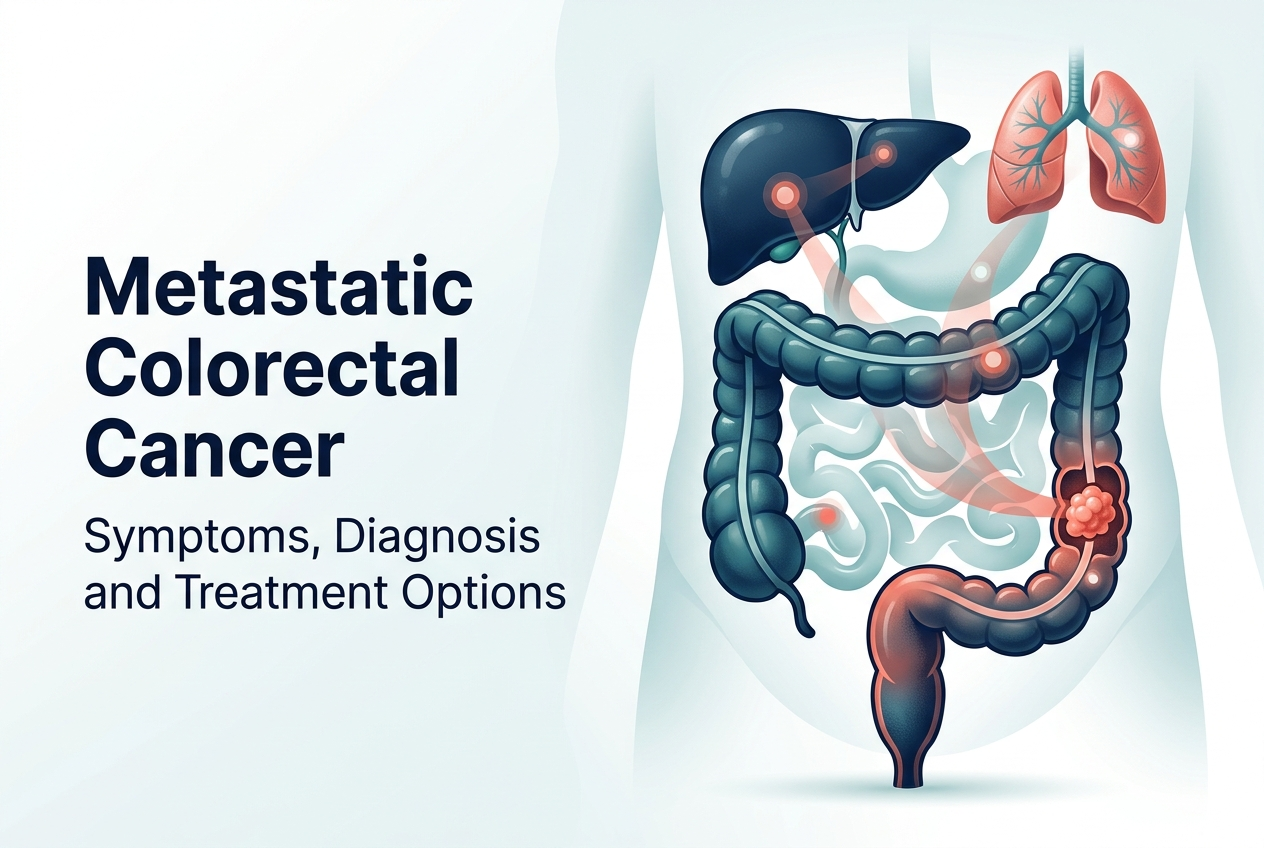
Metastatic Colorectal Cancer: Symptoms, Diagnosis, Treatment, and Targeted Medicine Information
Introduction
Metastatic colorectal cancer is an advanced form of cancer that begins in the colon or rectum and spreads to distant parts of the body. It is a significant health concern because the disease may affect the liver, lungs, peritoneum, or other organs. Although metastatic colorectal cancer can be challenging to treat, advances in chemotherapy, targeted therapy, immunotherapy, and supportive care have expanded treatment options for eligible patients.
Treatment depends on several factors, including the location and extent of the cancer, previous treatments, molecular test results, overall health, and the patient's treatment goals.
One medicine used in selected adults with previously treated metastatic colorectal cancer is the combination of trifluridine and tipiracil. TRIFLUXEN is listed in Bangladesh as a brand containing these two active ingredients. This combination is intended for specific treatment settings and must be prescribed and monitored by an experienced oncology specialist.
What Is Metastatic Colorectal Cancer?
Colorectal cancer develops in the colon or rectum, which are parts of the large intestine. Most colorectal cancers are adenocarcinomas, meaning they originate in gland-forming cells lining the intestinal wall.
When cancer spreads from its original location to distant organs, it is called metastatic colorectal cancer, also known as stage IV colorectal cancer.
The most common sites of distant spread include:
Liver: Cancer cells may travel from the intestine to the liver through blood circulation.
Lungs: Secondary tumors may develop in the lungs.
Peritoneum: The thin membrane lining the abdominal cavity may become involved.
Other organs: In some cases, cancer may spread to distant lymph nodes, bones, or other sites.
Metastatic disease does not mean that treatment is impossible. Some patients with limited metastases may be considered for surgery or other local treatments, while others may benefit from systemic treatment designed to control disease throughout the body.
Causes and Risk Factors
There is no single cause of colorectal cancer. The disease generally develops through a combination of genetic changes, aging, environmental influences, and lifestyle factors.
Recognized risk factors include:
Increasing age.
A personal history of colorectal polyps or colorectal cancer.
A family history of colorectal cancer.
Inherited conditions such as Lynch syndrome or familial adenomatous polyposis.
Inflammatory bowel diseases, including ulcerative colitis and Crohn's disease involving the colon.
Smoking.
Heavy alcohol consumption.
Obesity and physical inactivity.
Dietary patterns associated with high intake of processed meat.
Having a risk factor does not mean that a person will develop cancer. Colorectal cancer can also occur in people without recognized risk factors.
Signs and Symptoms of Metastatic Colorectal Cancer
Symptoms vary depending on the location of the primary tumor and the organs affected by metastatic disease.
Bowel-related symptoms
A persistent change in bowel habits.
Diarrhea, constipation, or alternating bowel patterns.
Blood in the stool or rectal bleeding.
Persistent abdominal discomfort or cramping.
A feeling that the bowel has not emptied completely.
Unexplained iron-deficiency anemia.
General symptoms
Unintentional weight loss.
Reduced appetite.
Persistent fatigue or weakness.
Abdominal bloating or discomfort.
Symptoms related to metastatic spread
If the cancer spreads to the liver, a patient may experience abdominal swelling, discomfort in the upper-right abdomen, or jaundice in advanced cases. Lung involvement may cause persistent coughing or shortness of breath. Peritoneal involvement may lead to abdominal fluid accumulation, swelling, or bowel-related complications.
These symptoms can also result from conditions other than cancer. Anyone experiencing persistent or concerning symptoms should seek medical assessment.
How Is Metastatic Colorectal Cancer Diagnosed?
Diagnosis usually involves a combination of clinical evaluation, laboratory testing, imaging, and tissue examination.
1. Medical history and physical examination
A healthcare professional reviews symptoms, family history, previous illnesses, and relevant risk factors. A physical examination may help identify signs requiring further investigation.
2. Colonoscopy and biopsy
Colonoscopy allows a specialist to examine the colon and rectum. A tissue sample, or biopsy, is usually examined by a pathologist to confirm the diagnosis and determine the cancer type.
3. Imaging tests
CT scans of the chest, abdomen, and pelvis are commonly used to assess the extent of disease. MRI or other imaging tests may be appropriate in selected cases, particularly when evaluating possible liver metastases.
4. Blood tests
Blood tests help assess general health, liver and kidney function, and blood cell counts. Carcinoembryonic antigen (CEA) may be measured to help monitor certain patients, but it is not sufficient by itself to diagnose or exclude colorectal cancer.
5. Molecular and biomarker testing
Testing tumor tissue for relevant biomarkers can help guide treatment decisions. Depending on the clinical situation, testing may include:
RAS mutations, including KRAS and NRAS.
BRAF mutations.
Microsatellite instability (MSI) or mismatch repair (MMR) status.
Other actionable molecular changes when appropriate.
These results may influence the choice of targeted therapy or immunotherapy.
Stages of Colorectal Cancer
Colorectal cancer is commonly described using stages I through IV.
Stage I: Cancer is relatively localized and has grown into the bowel wall but has not spread to distant sites.
Stage II: Cancer has grown more deeply through the bowel wall or into nearby structures without distant spread.
Stage III: Cancer has spread to nearby lymph nodes.
Stage IV: Cancer has spread to distant organs or sites.
Metastatic colorectal cancer is generally classified as stage IV. Its management is individualized according to the extent of spread, molecular findings, treatment history, and the patient's health.
Treatment Options for Metastatic Colorectal Cancer
Treatment may involve one or more approaches. An oncology team selects the most appropriate plan based on the patient's individual circumstances.
Chemotherapy
Chemotherapy uses medicines that interfere with the growth and division of cancer cells. Common colorectal cancer treatment regimens may include fluoropyrimidines, oxaliplatin, or irinotecan.
The selection and sequence of treatment depend on prior therapies, tolerability, molecular findings, and the treatment goals.
Targeted therapy
Targeted medicines act on specific biological pathways involved in cancer growth. Examples include selected anti-VEGF treatments and anti-EGFR treatments for eligible patients whose tumors have appropriate molecular characteristics.
Not every targeted medicine is suitable for every patient. Biomarker results and clinical history help guide selection.
Immunotherapy
Some colorectal cancers have biomarkers such as deficient mismatch repair (dMMR) or high microsatellite instability (MSI-H). These tumors may respond to immune checkpoint inhibitors. Immunotherapy is not appropriate for all colorectal cancers, so testing is important.
Surgery and local treatments
Selected patients with limited liver or lung metastases may be assessed for surgery or other local treatments. These approaches are not suitable for every patient and require careful multidisciplinary evaluation.
Trifluridine and Tipiracil
Trifluridine and tipiracil is an oral anticancer medicine combination used in specific advanced cancer settings. It has an established role in treating selected adults with metastatic colorectal cancer who have already received specified chemotherapy and biologic treatments.
In the United States, the approved indication includes treatment as a single agent or in combination with bevacizumab for eligible adults whose disease has progressed or who cannot tolerate specified prior treatments. Local approvals and prescribing information may vary.
The combination may be considered when earlier treatment options have been used. It is not a general first-line treatment for every person diagnosed with colorectal cancer.
How Does Trifluridine and Tipiracil Work?
Trifluridine is a nucleoside analogue that can be incorporated into the DNA of cancer cells, interfering with normal DNA function and cell proliferation.
Tipiracil inhibits an enzyme called thymidine phosphorylase, which helps prevent trifluridine from being broken down too quickly in the body. This increases exposure to trifluridine.
Together, the two ingredients provide an established anticancer treatment option for certain patients with advanced disease.
TRIFLUXEN: Generic Name and Pack Information
The following product information is based on the supplied details and a Bangladesh medicine reference.
Brand name: TRIFLUXEN
Active ingredients: Trifluridine + Tipiracil
Strength: 15 mg trifluridine + 6.14 mg tipiracil per tablet
Pack size supplied: 30 tablets
Relevant cancer indications: Selected cases of metastatic colorectal cancer and metastatic gastric or gastroesophageal junction adenocarcinoma, depending on the approved local product information and the patient's treatment history.
The pack size describes the number of tablets in the package. It does not determine an individual patient's dose or treatment schedule.
Important Safety Information
Trifluridine and tipiracil is a cytotoxic prescription medicine that requires specialist supervision.
Potential adverse effects include:
Low white blood cell counts, including neutropenia.
Anemia.
Low platelet counts.
Fatigue or weakness.
Nausea and vomiting.
Diarrhea.
Reduced appetite.
Fever or infection-related complications.
A particularly important risk is myelosuppression, in which the bone marrow produces fewer blood cells. This can increase the risk of infection, bleeding, and anemia.
Oncology teams generally monitor complete blood counts before treatment and at specified times during each cycle. Additional tests or treatment interruptions may be needed depending on the results and the patient's condition.
Patients should promptly report fever, unusual bleeding, severe weakness, or other concerning symptoms to their treating team. Pregnancy-related risks, contraception, drug interactions, kidney function, liver function, and other medicines should be discussed with the oncologist or pharmacist.
Patients should not start, stop, or change the dose of this medicine without professional instructions.
Living With Metastatic Colorectal Cancer
Living with advanced cancer can affect physical health, emotional well-being, family life, and finances. Supportive care should be part of the overall treatment plan.
Helpful measures may include:
Maintaining adequate nutrition and hydration.
Discussing weight loss, appetite changes, or bowel symptoms with the healthcare team.
Following recommended laboratory tests and treatment appointments.
Seeking help for pain, nausea, fatigue, or other treatment-related symptoms.
Accessing psychological support and practical assistance when needed.
Asking the oncology team about treatment goals, potential benefits, side effects, and available supportive services.
Patients should consult their care team before taking supplements, herbal products, or non-prescribed medicines because some products may interact with cancer treatment.
Medicine Information and Availability Enquiries at RootAid Pharma
Patients and caregivers looking for medicine-related information can visit RootAid Pharma at https://rootaidpharma.com.bd.
For enquiries about TRIFLUXEN or other oncology medicines, contact the website's team to ask about current product information and availability. Product availability should be confirmed directly before placing an order.
Cancer medicines should be obtained through appropriate, lawful pharmaceutical channels and used only under the supervision of a qualified oncology professional.
Frequently Asked Questions (FAQs)
1. What is metastatic colorectal cancer?
It is colorectal cancer that has spread from the colon or rectum to distant organs or sites, such as the liver, lungs, or peritoneum.
2. Is metastatic colorectal cancer the same as stage IV colorectal cancer?
Metastatic colorectal cancer is generally classified as stage IV disease because the cancer has spread to distant parts of the body.
3. What are the common symptoms of metastatic colorectal cancer?
Symptoms may include changes in bowel habits, blood in the stool, abdominal discomfort, fatigue, weight loss, and symptoms related to the organ affected by metastases.
4. Can metastatic colorectal cancer be treated?
Yes. Treatment may include chemotherapy, targeted therapy, immunotherapy for eligible tumors, and selected surgical or local treatments. The appropriate approach depends on individual clinical factors.
5. What is TRIFLUXEN?
TRIFLUXEN is a brand listed in Bangladesh for the combination of trifluridine and tipiracil.
6. What are the active ingredients in TRIFLUXEN?
The supplied product information identifies trifluridine 15 mg and tipiracil 6.14 mg per tablet.
7. Is trifluridine and tipiracil used for colorectal cancer?
Yes. It is an established treatment option for selected adults with metastatic colorectal cancer who have received specified previous treatments.
8. Is TRIFLUXEN suitable for every colorectal cancer patient?
No. It is intended for specific treatment settings, particularly selected cases of metastatic disease after previous therapy. An oncologist must determine whether it is appropriate.
9. Is trifluridine and tipiracil also used for stomach cancer?
Yes. The combination also has an indication for selected adults with previously treated metastatic gastric or gastroesophageal junction adenocarcinoma. Eligibility depends on treatment history and applicable prescribing guidance.
10. What does a pack size of 30 tablets mean?
It means the package contains 30 tablets. It does not indicate the number of days of treatment because dosing and treatment schedules are individualized.
11. What are the important side effects of trifluridine and tipiracil?
Possible adverse effects include low blood cell counts, fatigue, nausea, vomiting, diarrhea, reduced appetite, and fever. Blood count monitoring is important.
12. Why are blood tests required during treatment?
Blood tests help detect bone marrow suppression and other changes that may require closer monitoring, treatment delays, or dose adjustments.
13. Can this medicine be taken without an oncologist?
No. It is a prescription anticancer medicine and requires specialist supervision and appropriate laboratory monitoring.
14. Does a metastatic diagnosis mean that no treatment is possible?
No. Although metastatic disease is serious, systemic treatments and selected local treatments may help control the cancer and manage symptoms. Outcomes vary among individuals.
15. Where can I enquire about TRIFLUXEN?
You can visit RootAid Pharma at https://rootaidpharma.com.bd to enquire about medicine information and current availability. Confirm availability directly with the website's team.
Medical Disclaimer
This article is intended for general educational and informational purposes only. It is not a substitute for medical diagnosis, individualized treatment advice, or a prescription from a qualified healthcare professional. Indications, product approvals, and prescribing information can vary by country. Decisions about cancer treatment must be made by a qualified oncology team based on the patient's diagnosis, test results, prior treatments, and overall health.
Need help after reading this?
Talk to our support team for sourcing guidance, product availability, and global delivery assistance.