KRAS G12C-Mutated Lung Cancer: Symptoms, Diagnosis and Treatment
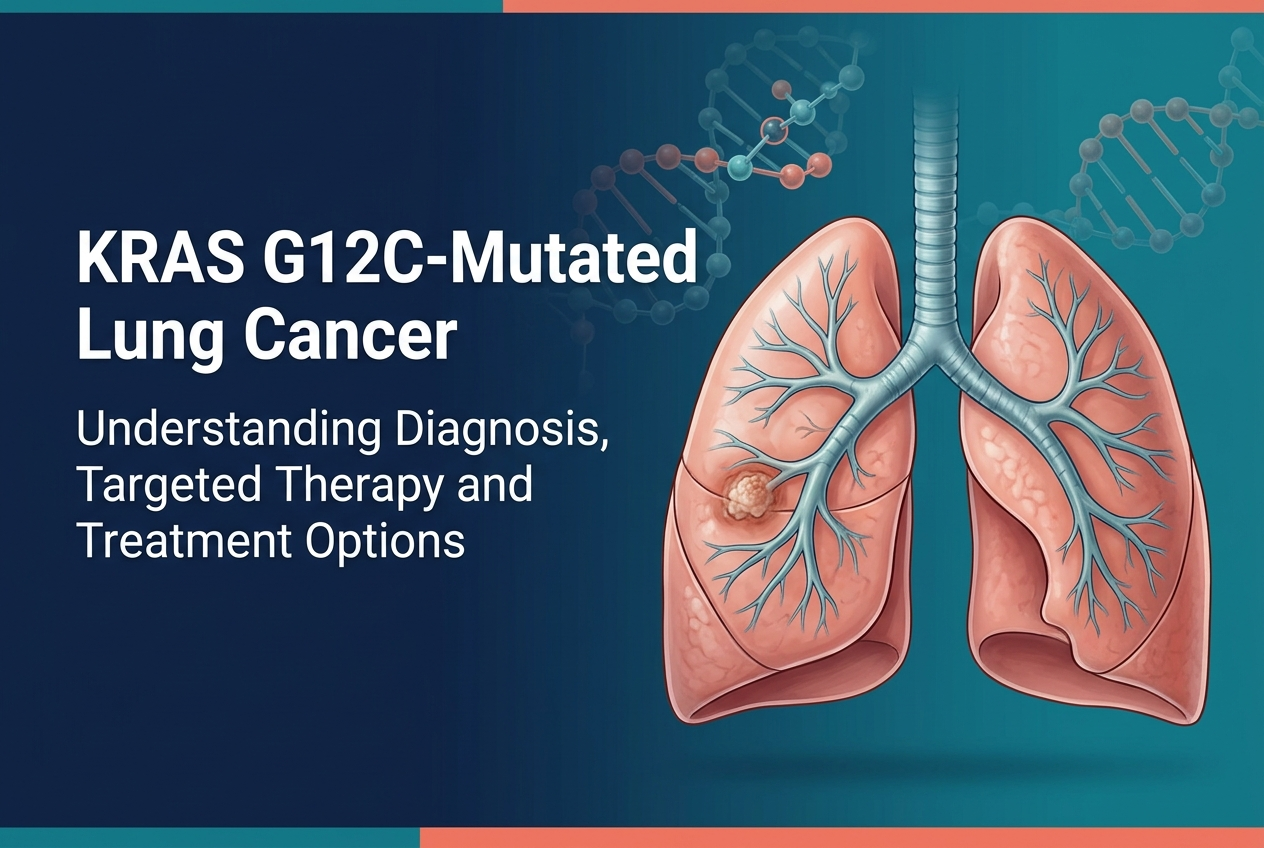
KRAS G12C-Mutated Lung Cancer: Symptoms, Diagnosis, and Treatment Options
Introduction
Lung cancer is one of the most common and serious forms of cancer worldwide. It develops when abnormal cells in the lungs grow uncontrollably and may spread to nearby tissues, lymph nodes, or distant organs. Non-small cell lung cancer (NSCLC) is the most common type of lung cancer and includes several subtypes with different biological characteristics and treatment needs.
Advances in cancer genetics have made it possible to identify specific molecular changes that help cancer cells grow. One such change is the KRAS G12C mutation, which occurs in a subset of patients with NSCLC. Identifying this mutation can help doctors determine whether a patient may benefit from targeted treatment.
Sotorasib is an oral targeted therapy that inhibits the KRAS G12C protein. It is an important treatment option for eligible adults with locally advanced or metastatic KRAS G12C-mutated NSCLC who have received at least one previous systemic treatment, subject to the applicable local treatment guidelines and regulatory approval.
This article explains KRAS G12C-mutated lung cancer, its symptoms, diagnostic methods, treatment options, and the role of targeted therapy.
What Is KRAS G12C-Mutated Lung Cancer?
KRAS is a gene that provides instructions for making a protein involved in cell growth and signaling. Under normal conditions, KRAS helps regulate processes that allow cells to grow and divide appropriately.
A mutation in the KRAS gene can disrupt these controls. The G12C mutation is a specific change in which the amino acid glycine at position 12 is replaced by cysteine. This alteration can keep growth-signaling pathways abnormally active and contribute to cancer development.
KRAS G12C mutations are found in a subset of NSCLC cases, particularly lung adenocarcinoma. However, not every person with lung cancer has this mutation, and not every KRAS mutation is the G12C variant.
Molecular testing is therefore important. A diagnosis of lung cancer alone does not establish whether a KRAS G12C inhibitor is appropriate.
Types of Non-Small Cell Lung Cancer
NSCLC includes several major subtypes:
1. Lung Adenocarcinoma
Adenocarcinoma develops from cells that produce mucus or other substances and is often found in the outer regions of the lungs. KRAS mutations, including KRAS G12C, can occur in this subtype.
2. Squamous Cell Carcinoma
Squamous cell carcinoma develops from flat cells lining parts of the respiratory tract. Its molecular characteristics and treatment options may differ from those of adenocarcinoma.
3. Large Cell and Other NSCLC Types
Other less common forms are grouped according to their microscopic appearance and molecular characteristics.
The exact subtype, cancer stage, general health of the patient, and molecular test results all influence treatment planning.
Causes and Risk Factors
There is no single cause of KRAS G12C-mutated lung cancer. The mutation develops in tumor cells and may occur alongside other biological changes.
Factors associated with lung cancer include:
Tobacco smoking: Cigarette smoking is a major risk factor, although lung cancer can also occur in people who have never smoked.
Secondhand smoke: Repeated exposure to other people's tobacco smoke can increase risk.
Radon exposure: Radon is a naturally occurring radioactive gas that can accumulate indoors.
Occupational exposures: Certain workplace exposures, including asbestos and some industrial substances, can contribute to lung cancer risk.
Air pollution: Long-term exposure to air pollution is associated with increased lung cancer risk.
Family and personal history: Some people may have additional inherited or acquired risk factors.
Having a KRAS G12C mutation does not mean that a person caused their cancer. The mutation is a molecular characteristic that helps clinicians understand the tumor and select appropriate treatment.
Symptoms of KRAS G12C-Mutated Lung Cancer
Symptoms depend on the tumor's location, size, and whether it has spread. Early lung cancer may cause few or no noticeable symptoms.
Possible symptoms include:
A persistent or worsening cough
Coughing up blood
Shortness of breath
Chest discomfort or pain
Hoarseness
Repeated chest infections
Unexplained weight loss
Reduced appetite
Persistent fatigue
Bone pain or headaches when cancer has spread to other areas
These symptoms can also occur with conditions other than cancer. Anyone experiencing persistent or concerning symptoms should seek medical assessment.
Severe breathing difficulty, substantial coughing of blood, or sudden neurological symptoms require urgent medical attention.
How Is KRAS G12C-Mutated Lung Cancer Diagnosed?
Diagnosis usually combines imaging, tissue assessment, and molecular testing.
1. Medical History and Physical Examination
The clinician reviews symptoms, smoking history, relevant exposures, previous illnesses, and general health.
2. Imaging Tests
Chest CT scans can help identify suspicious lung abnormalities and assess the extent of disease. PET-CT or other imaging may be recommended to investigate possible spread. Brain MRI may be appropriate in selected patients depending on the clinical situation.
3. Biopsy and Pathology
A biopsy collects a sample of suspicious tissue. A pathologist examines it to determine whether cancer is present and to identify the cancer type.
4. Molecular Testing for KRAS G12C
Molecular testing identifies whether the tumor contains the specific KRAS G12C mutation. Testing may use tumor tissue or, in appropriate circumstances, a blood-based circulating tumor DNA test.
A negative blood test does not always rule out a tumor mutation. Additional tissue testing may be considered when clinically appropriate.
5. Staging
Staging evaluates the size and location of the primary tumor, involvement of lymph nodes, and possible spread to other organs. This information helps determine whether surgery, radiation, systemic treatment, or a combination of approaches may be appropriate.
Stages of Non-Small Cell Lung Cancer
NSCLC is generally classified into stages:
Stage I: Cancer is limited to a relatively small area of the lung and has not spread to distant sites.
Stage II: The cancer may be larger or involve nearby lymph nodes.
Stage III: The disease may involve more extensive regional lymph nodes or nearby structures.
Stage IV: Cancer has spread to distant organs, the opposite lung, or other sites according to the applicable staging criteria.
Treatment is individualized. Sotorasib is not a routine treatment for every stage of lung cancer; its established use in NSCLC is for selected adults with locally advanced or metastatic KRAS G12C-mutated disease following at least one prior systemic therapy, according to the relevant approved indication.
Treatment Options for KRAS G12C-Mutated Lung Cancer
Treatment depends on cancer stage, molecular findings, previous treatment, symptoms, and the patient's overall health.
1. Surgery
Surgery may be an option for selected patients with localized NSCLC when the tumor can be removed safely and completely. The need for additional treatment depends on the stage and other risk factors.
2. Radiation Therapy
Radiation therapy uses high-energy radiation to damage cancer cells. It may be used as a primary treatment in selected patients, alongside chemotherapy, after surgery, or to relieve symptoms caused by tumors.
3. Chemotherapy
Chemotherapy uses medicines that interfere with cancer cell growth and division. It may be used alone or in combination with immunotherapy, radiation, or other treatments depending on the disease setting.
4. Immunotherapy
Immunotherapy helps the immune system recognize and attack cancer cells. Its suitability depends on factors such as tumor characteristics, previous treatments, coexisting conditions, and the overall treatment plan.
5. Targeted Therapy
Targeted therapy acts on particular molecular changes involved in cancer growth. Molecular testing can identify patients who may benefit from a specific targeted medicine.
For patients whose tumors contain a KRAS G12C mutation, a KRAS G12C inhibitor may be an option when the patient meets the applicable treatment criteria.
Sotorasib: Targeted Therapy for KRAS G12C
Sotorasib is an oral targeted anticancer medicine that inhibits the KRAS G12C protein. By binding to the altered protein, it interferes with signaling pathways that contribute to cancer cell growth.
Sotorasib is used as a single agent for eligible adults with KRAS G12C-mutated locally advanced or metastatic NSCLC who have received at least one previous systemic therapy, under the relevant approved indication.
Before treatment, clinicians need to confirm the mutation and evaluate the patient's treatment history, liver function, other medical conditions, and current medicines.
What Is SOTOXEN 120 mg?
SOTOXEN 120 mg is a brand presentation of sotorasib. The supplied product information lists a pack size of 56 tablets.
The tablet strength and pack size are product details, not instructions for how much a particular patient should take. The appropriate regimen must be prescribed by an oncology specialist. Patients should not start treatment, change the dose, or stop the medicine without medical guidance.
Possible Side Effects of Sotorasib
Side effects vary between individuals. Reported adverse reactions can include:
Diarrhea
Nausea
Vomiting
Fatigue
Musculoskeletal discomfort
Changes in liver enzyme levels
More serious risks include liver toxicity and interstitial lung disease or pneumonitis, which is inflammation affecting lung tissue.
Contact the treating medical team promptly about new or worsening symptoms. New breathing difficulty, persistent cough, fever, yellowing of the skin or eyes, dark urine, or severe abdominal symptoms require prompt medical assessment.
Doctors may monitor liver blood tests and adjust or interrupt treatment when clinically necessary.
Drug Interactions and Treatment Monitoring
Sotorasib can interact with other medicines. Acid-reducing drugs and certain medicines that affect drug-metabolizing enzymes or transport proteins may alter its effects. Patients should tell their healthcare team about prescription medicines, over-the-counter products, supplements, and herbal remedies.
The oncology team should determine how to manage potential interactions. Patients should not independently stop prescribed medicines or change the timing of their treatment.
Can Sotorasib Treat Other Cancers?
Sotorasib also has an approved use in certain adults with KRAS G12C-mutated metastatic colorectal cancer when combined with panitumumab, following prior fluoropyrimidine-, oxaliplatin-, and irinotecan-based chemotherapy, under the applicable US indication.
This does not mean sotorasib is appropriate for every colorectal cancer or every KRAS mutation. The specific mutation, previous treatments, regulatory approvals, and clinical guidelines matter.
For this reason, the article focuses primarily on KRAS G12C-mutated NSCLC. Any use for another cancer should be assessed separately by an oncology specialist.
Living With Lung Cancer
A lung cancer diagnosis can affect physical health, emotional wellbeing, relationships, work, and finances. Supportive care can help patients manage symptoms and maintain quality of life throughout treatment.
Helpful measures may include:
Attending scheduled oncology appointments and laboratory tests
Discussing pain, breathing problems, appetite changes, and fatigue with the care team
Seeking nutritional advice when eating becomes difficult
Staying physically active as tolerated and with clinical guidance
Accessing psychological support or cancer support groups
Avoiding tobacco and seeking support to stop smoking if needed
Asking the care team about palliative care for symptom relief and quality-of-life support
Palliative care can be provided alongside cancer-directed treatment. It is not limited to the final stages of life.
Questions to Ask the Oncologist
Patients and caregivers may find it helpful to ask:
What is the exact type and stage of the lung cancer?
Has testing confirmed a KRAS G12C mutation?
What treatment options are appropriate for this stage?
Why is a particular targeted medicine being recommended?
What benefits and risks should be expected?
Which symptoms should be reported immediately?
What blood tests and follow-up scans are needed?
Could current medicines interact with treatment?
What should be done if a dose is missed or vomiting occurs after taking a medicine?
Whom should the patient contact if side effects develop?
Medicine Information and Availability Enquiries
SOTOXEN 120 mg contains sotorasib, a targeted therapy used in selected patients with KRAS G12C-mutated cancer. The supplied pack information is 56 tablets. Product identity, registration status, storage requirements, and current availability should be confirmed with an appropriate medicine supplier or pharmacist.
For medicine information and availability enquiries, visit RootAid Pharma at https://rootaidpharma.com.bd. Contact the website or its team to check current product information and availability. RootAid Pharma is referenced here as a medicine information and enquiry destination, not as the manufacturer of SOTOXEN.
Frequently Asked Questions (FAQs)
1. What is KRAS G12C-mutated lung cancer?
It is a type of lung cancer in which tumor cells contain a specific KRAS gene mutation known as G12C. This mutation can contribute to abnormal growth signaling and may help determine targeted treatment options.
2. What does NSCLC stand for?
NSCLC stands for non-small cell lung cancer. It includes several lung cancer subtypes, such as adenocarcinoma and squamous cell carcinoma.
3. What is sotorasib used for?
Sotorasib is a targeted medicine used for eligible adults with KRAS G12C-mutated locally advanced or metastatic NSCLC who have received at least one previous systemic therapy. It also has a specific combination use in certain patients with KRAS G12C-mutated metastatic colorectal cancer.
4. What is SOTOXEN 120 mg?
SOTOXEN 120 mg is a brand presentation of sotorasib. Patients should verify the product packaging and registration details with a qualified pharmacist or appropriate supplier.
5. Does every lung cancer patient need KRAS testing?
No. The tests recommended depend on the cancer type, stage, clinical setting, and local guidelines. Molecular testing is particularly important when the results could guide targeted treatment.
6. How is the KRAS G12C mutation detected?
It can be detected through molecular testing of a tumor tissue sample and, in selected situations, a blood-based circulating tumor DNA test.
7. Is sotorasib chemotherapy?
No. Sotorasib is a targeted therapy that inhibits the KRAS G12C protein. It works differently from conventional chemotherapy.
8. Is sotorasib suitable for early-stage lung cancer?
Sotorasib is not routinely used for every stage of NSCLC. Its established single-agent indication concerns selected adults with locally advanced or metastatic KRAS G12C-mutated NSCLC after previous systemic therapy.
9. What are the common side effects of sotorasib?
Reported side effects include diarrhea, nausea, vomiting, fatigue, and changes in liver enzyme levels. Serious liver toxicity and lung inflammation are important risks requiring medical attention.
10. Does sotorasib require monitoring?
Yes. The treating team may monitor liver function, symptoms, other medicines, and treatment response. The monitoring schedule should be determined by the treating clinician.
11. Can sotorasib cure lung cancer?
A guaranteed cure cannot be promised. Treatment response varies, and advanced lung cancer often requires ongoing specialist management. The treatment goal depends on the individual's disease and clinical circumstances.
12. Can sotorasib be used for colorectal cancer?
In the United States, sotorasib combined with panitumumab is approved for certain adults with KRAS G12C-mutated metastatic colorectal cancer after specified previous chemotherapy regimens. Eligibility and local approvals must be checked.
13. Is a 120 mg tablet strength the same as the prescribed daily dose?
No. Tablet strength describes the amount of medicine in one tablet. The prescribed regimen depends on the specific product and the treating oncologist's instructions.
14. Should patients stop sotorasib if side effects occur?
Patients should contact their oncology team promptly. The clinician will decide whether treatment should continue, be interrupted, or be adjusted. Patients should not make these decisions independently.
15. Where can I enquire about SOTOXEN 120 mg?
For medicine information and current availability enquiries, visit https://rootaidpharma.com.bd. Confirm the specific product and pack details before purchase.
Medical Disclaimer
This article is for educational and informational purposes only. It is not a substitute for professional medical advice, diagnosis, or treatment. Sotorasib is a prescription anticancer medicine and should be used only under the supervision of a qualified oncology specialist. Indications, prescribing information, and regulatory approvals may vary by country and change over time. Always consult the current locally approved product information and your treating clinician.
Need help after reading this?
Talk to our support team for sourcing guidance, product availability, and global delivery assistance.