Kidney Cancer (Renal Cell Carcinoma): Symptoms, Diagnosis and Treatment
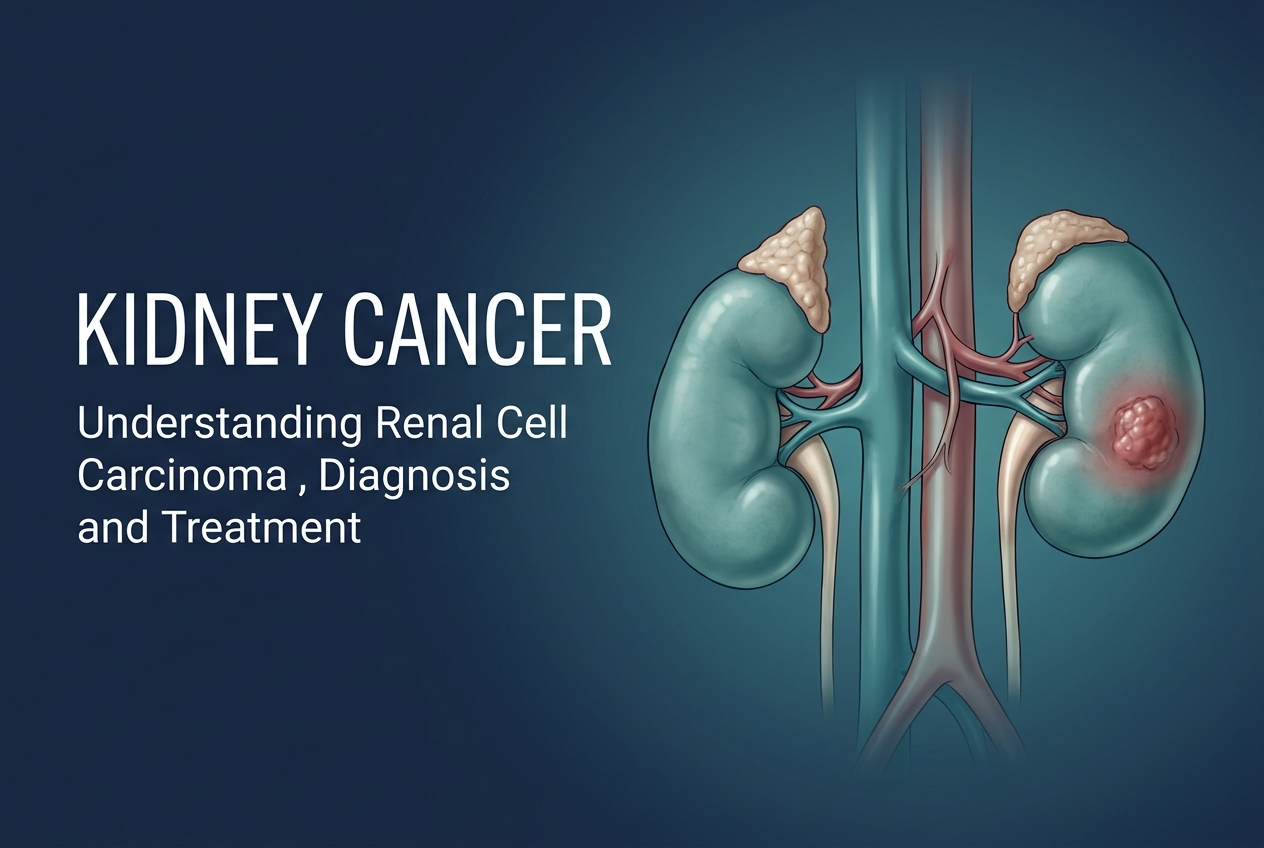
Kidney Cancer (Renal Cell Carcinoma): Symptoms, Diagnosis and Treatment
Introduction
Kidney cancer is a disease in which abnormal cells grow uncontrollably in one or both kidneys. The kidneys are two bean-shaped organs that filter waste products from the blood, maintain fluid and electrolyte balance, and help regulate blood pressure. Several types of cancer can affect the kidneys, but renal cell carcinoma (RCC) is the most common type of kidney cancer in adults.
Kidney cancer may develop without noticeable symptoms during its early stages. Some people discover the disease during imaging tests performed for another medical reason. As the cancer grows, symptoms such as blood in the urine, persistent pain in the side or back, unexplained weight loss, or a lump in the abdomen may occur.
Treatment depends on the cancer type, stage, overall health, kidney function, and whether the disease has spread. Options may include surgery, active surveillance in selected cases, ablation, immunotherapy, targeted therapy, or combinations of these approaches.
For certain adults with advanced renal cell carcinoma that has returned or failed to respond to at least two previous systemic treatments, a targeted medicine called tivozanib may be an option. Tivoxen 1.34 mg is a brand of tivozanib listed in a 21-capsule pack. Its suitability must be determined by an oncology specialist.
What Is Kidney Cancer?
Kidney cancer begins when cells in kidney tissue develop changes that allow them to grow and divide abnormally. Over time, these cells may form a tumour and, in some cases, spread to nearby tissues, lymph nodes, or distant organs.
What Is Renal Cell Carcinoma?
Renal cell carcinoma is the most common kidney cancer in adults. It originates in the lining of small structures in the kidney that are involved in filtering blood.
RCC has several subtypes, including:
Clear cell renal cell carcinoma: The most common subtype.
Papillary renal cell carcinoma: A subtype with distinct microscopic and molecular features.
Chromophobe renal cell carcinoma: A less common subtype that can behave differently from other RCC types.
Other rare types: Some kidney cancers have uncommon pathological features and may require specialized assessment.
The exact subtype matters because it can influence prognosis, treatment selection, and eligibility for particular therapies.
Kidney Cancer Symptoms
Kidney cancer does not always cause symptoms during its early stages. When symptoms occur, they may include:
Blood in the urine, which may appear pink, red, or brown.
Persistent pain in the side or back below the ribs.
A lump or swelling in the side or abdomen.
Unexplained weight loss.
Reduced appetite.
Persistent fatigue or weakness.
Unexplained fever.
Anaemia or other abnormal blood-test results.
These symptoms can also result from non-cancerous conditions, such as kidney stones or urinary infections. Blood in the urine, persistent pain, or unexplained weight loss should be assessed by a healthcare professional rather than assumed to be cancer.
Causes and Risk Factors of Kidney Cancer
There is no single cause of kidney cancer. The disease develops through a combination of biological changes and, in some cases, inherited or environmental risk factors.
Smoking
Tobacco smoking increases the risk of kidney cancer. Quitting smoking can improve overall health and reduce exposure to a known risk factor.
High Blood Pressure
High blood pressure is associated with an increased risk of kidney cancer. Managing blood pressure is important for cardiovascular and kidney health.
Excess Body Weight
Overweight and obesity are associated with an increased risk of developing renal cell carcinoma.
Family History and Inherited Conditions
Having a close relative with kidney cancer may increase risk. Certain inherited conditions, including von Hippel–Lindau disease, are associated with a higher risk of particular kidney tumours.
Other Factors
Risk may also be influenced by age, certain occupational exposures, and long-term kidney disease in some populations. However, many people diagnosed with kidney cancer have no clearly identifiable risk factor.
Having one or more risk factors does not mean a person will definitely develop cancer.
How Is Kidney Cancer Diagnosed?
Diagnosis usually involves a combination of medical history, physical examination, laboratory tests, and imaging studies.
Medical History and Physical Examination
A clinician may ask about symptoms, smoking history, family history, previous medical conditions, and medicines. A physical examination may help identify abdominal swelling or other findings.
Urine Tests
Urinalysis can identify blood or other abnormalities in the urine. It cannot independently confirm or exclude kidney cancer.
Blood Tests
Blood tests may evaluate kidney function, blood-cell counts, and general health. These results can also help the medical team plan treatment safely.
Imaging Tests
Imaging plays an important role in identifying and evaluating a kidney mass.
Ultrasound: May identify a mass or distinguish certain fluid-filled cysts from solid lesions.
CT scan: Often provides detailed information about the tumour, nearby structures, and possible spread.
MRI: May be used when additional detail is needed or when a CT scan is unsuitable.
Kidney Biopsy
A biopsy is not necessary in every case. It may be recommended when tissue confirmation could change the treatment plan, particularly before certain non-surgical treatments or systemic therapies.
A specialist determines which tests are appropriate for the individual patient.
Stages of Kidney Cancer
Staging describes how far the cancer has developed or spread. The stage helps guide treatment and estimate prognosis.
Stage I
The tumour is limited to the kidney and is relatively small. Surgery is often an important treatment option for patients who are suitable candidates.
Stage II
The tumour remains within the kidney but is larger than a stage I tumour. Treatment planning depends on tumour features and the patient's overall health.
Stage III
The cancer may have extended into major veins, nearby tissues, or regional lymph nodes, depending on the specific staging criteria.
Stage IV
The cancer has spread beyond the kidney to distant organs or involves nearby structures in ways that meet stage IV criteria. Treatment may include systemic therapies, surgery in selected cases, radiation for particular symptoms or sites, and supportive care.
The exact stage must be established by the treating medical team. Not every kidney tumour follows the same clinical course.
Kidney Cancer Treatment Options
Treatment is individualized according to cancer stage, tumour subtype, symptoms, kidney function, overall health, and patient preferences.
Surgery
Surgery is often the main treatment for localized kidney cancer.
Partial nephrectomy: Removes the tumour and preserves as much healthy kidney tissue as possible when appropriate.
Radical nephrectomy: Removes the affected kidney and may include surrounding tissues when indicated.
The choice depends on tumour size, location, kidney function, and other clinical factors.
Active Surveillance
Some small kidney masses grow slowly. For selected patients, particularly those with significant health concerns or limited life expectancy, a specialist may recommend close monitoring rather than immediate treatment.
Active surveillance involves scheduled follow-up and is not the same as ignoring the tumour.
Ablation
Techniques such as cryoablation or radiofrequency ablation may be considered for selected small kidney tumours, especially when surgery is unsuitable.
Immunotherapy
Immunotherapy helps the immune system recognize or attack cancer cells. Certain immune checkpoint inhibitors are used in kidney cancer, sometimes alone or in combination with targeted medicines.
The appropriate regimen depends on the disease setting and the patient's clinical circumstances.
Targeted Therapy
Targeted medicines interfere with specific signals that cancer cells use to grow or develop a blood supply. Several targeted treatments are used for advanced renal cell carcinoma.
Tivozanib is a tyrosine kinase inhibitor that blocks vascular endothelial growth factor receptors (VEGFRs). These receptors participate in signalling pathways involved in angiogenesis, the process by which tumours develop new blood vessels.
Tivozanib is indicated for adults with relapsed or refractory advanced renal cell carcinoma following two or more prior systemic therapies in the approved indication described in its prescribing information. It is not a universal treatment for every type or stage of kidney cancer.
Radiation Therapy
Radiation therapy is not usually the main treatment for a primary kidney tumour. It may be used in selected situations, including symptom control or treatment of certain metastatic sites.
Supportive and Palliative Care
Supportive care helps manage pain, fatigue, appetite changes, emotional distress, and other symptoms. Palliative care can be provided alongside cancer treatment and does not necessarily mean that active treatment has stopped.
Tivozanib and Tivoxen 1.34 mg in Advanced Kidney Cancer
Tivozanib is an oral targeted cancer medicine. It inhibits VEGFR-1, VEGFR-2, and VEGFR-3, signalling pathways involved in the development of blood vessels that can support tumour growth.
By targeting these pathways, tivozanib may help slow cancer progression in appropriately selected patients with advanced renal cell carcinoma.
What Is Tivoxen 1.34 mg?
Tivoxen 1.34 mg is a brand of tivozanib. The supplied product information describes a pack containing 21 capsules, each containing 1.34 mg of tivozanib.
The pack size describes the number of capsules supplied. It does not determine whether the medicine is appropriate for a particular patient.
Who May Be Prescribed Tivozanib?
Tivozanib may be prescribed for eligible adults with advanced renal cell carcinoma whose cancer has returned or has not responded to at least two previous systemic treatments, according to the relevant approved indication.
An oncologist must assess the patient's treatment history, cancer characteristics, medical conditions, blood pressure, kidney and liver function, and potential medicine interactions before prescribing it.
Important Safety Information
Tivozanib can cause serious side effects. Important risks include:
High blood pressure, which may occasionally become severe.
Heart-related complications, including heart failure.
Blood clots or other cardiovascular events.
Bleeding.
Protein in the urine.
Thyroid dysfunction.
Problems with wound healing.
A rare neurological condition called reversible posterior leukoencephalopathy syndrome.
Harm to an unborn baby.
The treating team may monitor blood pressure, urine protein, thyroid function, and other clinical measures during therapy. The monitoring schedule should follow the product information and the treating specialist's instructions.
Patients should tell their doctor about all prescription medicines, non-prescription medicines, supplements, and existing medical conditions before starting treatment.
Is Tivozanib a Cure for Kidney Cancer?
Tivozanib should not be described as a guaranteed cure. Its purpose in the approved advanced-disease setting is to help control the cancer. Individual outcomes vary, and treatment response must be assessed by the oncology team.
Possible Side Effects of Kidney Cancer Treatment
Side effects vary depending on the treatment used. People receiving targeted therapy may experience fatigue, diarrhoea, nausea, reduced appetite, high blood pressure, or changes in laboratory results.
Tivozanib can also cause serious adverse reactions, including some that require treatment interruption or discontinuation by the prescribing clinician.
Patients should report new or worsening symptoms promptly. Severe headache, confusion, seizures, chest pain, shortness of breath, major bleeding, or a sudden neurological change requires urgent medical assessment.
Do not independently change the dose or stop an anticancer medicine without instructions from the treating team, except when emergency medical professionals advise otherwise.
Living With Kidney Cancer
A kidney cancer diagnosis can affect physical health, emotional well-being, work, and family life. Practical support can make treatment and follow-up easier.
Attend Follow-Up Appointments
Follow-up may include physical examinations, blood tests, urine tests, and imaging. The schedule depends on the stage of cancer and the treatments received.
Support Kidney Health
Follow the medical team's advice about hydration, blood pressure, nutrition, and kidney function. People with reduced kidney function may need individualized dietary or fluid recommendations.
Maintain a Balanced Lifestyle
A balanced diet, appropriate physical activity, adequate rest, and avoiding tobacco can support general health. Lifestyle changes should complement—not replace—medical cancer treatment.
Seek Emotional Support
Counselling, support groups, and discussions with family members may help patients manage stress and uncertainty. Ask the oncology team about local support resources.
Medicine Information and Availability Enquiries
Patients and caregivers looking for medicine information can visit RootAid Pharma at https://rootaidpharma.com.bd.
For Tivoxen 1.34 mg (tivozanib), contact the website to enquire about current availability and product information. Website availability should be confirmed directly before making arrangements to obtain the medicine.
Tivoxen is a prescription oncology medicine. Use it only under the supervision of a qualified cancer specialist, and obtain it through an appropriate, authorized medicine supply channel.
Frequently Asked Questions About Kidney Cancer
1. What is the most common type of kidney cancer?
Renal cell carcinoma (RCC) is the most common type of kidney cancer in adults.
2. What are the early symptoms of kidney cancer?
Early kidney cancer may cause no symptoms. Blood in the urine, persistent side or back pain, unexplained weight loss, and fatigue can occur, but these symptoms have other possible causes too.
3. Can kidney cancer be detected through a blood test?
Blood tests can help assess general health and kidney function, but they cannot independently diagnose kidney cancer. Imaging and, in selected cases, a biopsy may be required.
4. Is kidney cancer treatable?
Yes. Treatment options depend on the stage and other individual factors. Localized disease may be treated with surgery, while advanced disease may require systemic therapy and other individualized approaches.
5. What is renal cell carcinoma?
Renal cell carcinoma is a cancer that develops in the kidney's filtering structures and accounts for most adult kidney cancers.
6. What is tivozanib used for?
Tivozanib is a targeted therapy indicated for eligible adults with relapsed or refractory advanced renal cell carcinoma after at least two prior systemic therapies, according to its approved prescribing information.
7. What is Tivoxen 1.34 mg?
Tivoxen 1.34 mg is a brand of tivozanib. The pack size supplied in this article is 21 capsules.
8. Does tivozanib treat every type of kidney cancer?
No. Its approved indication is specific to advanced renal cell carcinoma in a defined treatment setting. A specialist must determine whether it is suitable for an individual patient.
9. What are the major risks of tivozanib?
Important risks include severe hypertension, cardiovascular complications, bleeding, proteinuria, thyroid dysfunction, impaired wound healing, and other potentially serious adverse reactions.
10. Does tivozanib guarantee a cure?
No. It may help control advanced kidney cancer in eligible patients, but it does not guarantee a cure or a particular outcome.
11. How is kidney cancer staged?
Doctors use imaging, clinical findings, and sometimes tissue results to determine whether the tumour is confined to the kidney, involves nearby structures or lymph nodes, or has spread to distant organs.
12. Can kidney cancer spread to other organs?
Yes. Advanced kidney cancer can spread to distant sites, which may include the lungs, bones, liver, or brain.
13. Is surgery always necessary?
No. Surgery is often important for localized disease, but selected patients may be monitored or considered for ablation. Advanced disease may require systemic treatment.
14. Can a patient stop tivozanib when feeling better?
Patients should not stop or change treatment independently. The oncologist determines how long treatment should continue based on response, side effects, and the applicable prescribing information.
15. Where can I enquire about Tivoxen 1.34 mg?
For medicine information and current availability enquiries, visit https://rootaidpharma.com.bd. Confirm stock and supply details directly with the provider.
Medical Disclaimer
This article is for general educational and informational purposes only. It is not a substitute for professional medical advice, diagnosis, or treatment. Kidney cancer treatment and the use of tivozanib must be determined by a qualified oncology specialist using the patient's medical history, test results, current prescribing information, and applicable local guidance.
Never start, stop, or change an anticancer medicine based solely on an online article.
Need help after reading this?
Talk to our support team for sourcing guidance, product availability, and global delivery assistance.