IDH2-Mutated Acute Myeloid Leukemia (AML): Symptoms, Diagnosis and Treatment
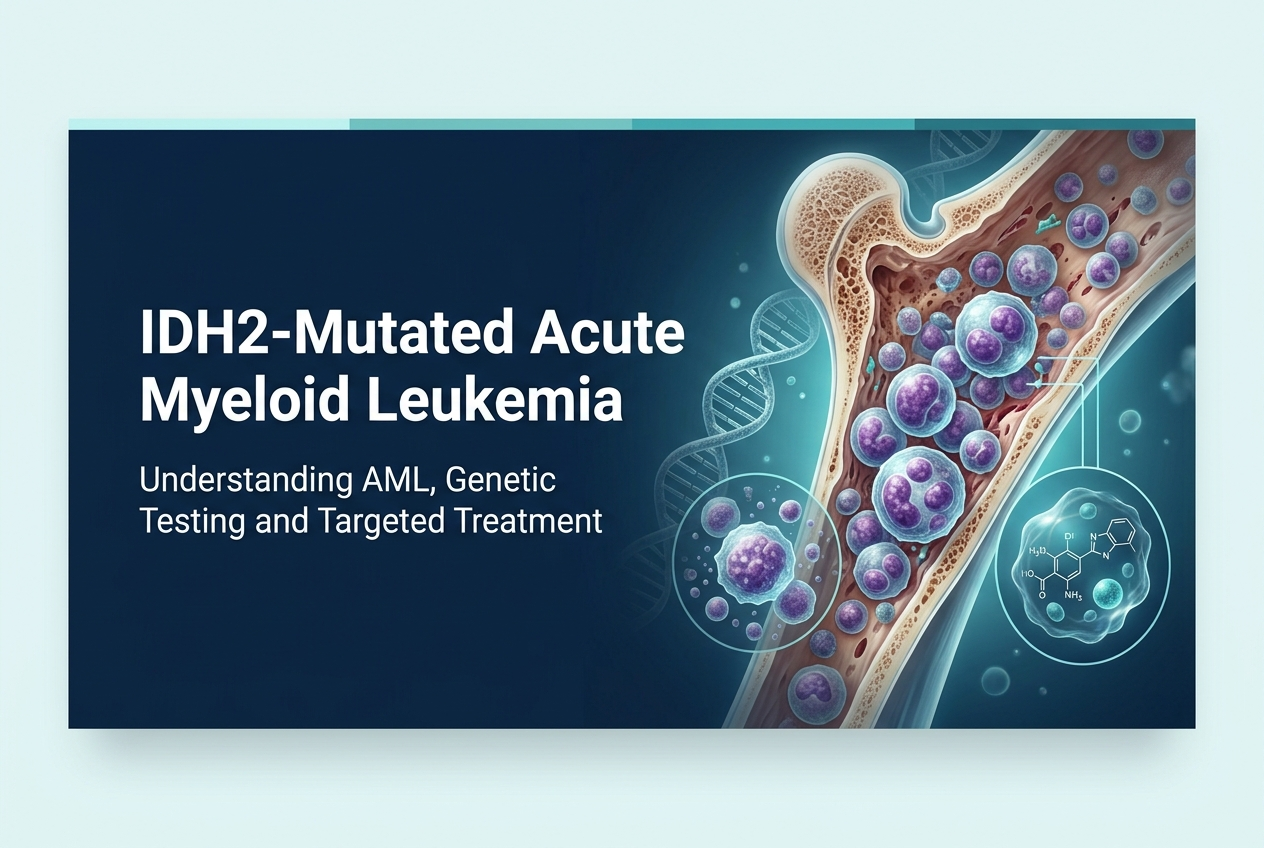
IDH2-Mutated Acute Myeloid Leukemia (AML): Symptoms, Diagnosis and Treatment
Introduction
Acute Myeloid Leukemia (AML) is a fast-growing cancer of the blood and bone marrow. It develops when immature blood-forming cells, known as myeloid cells, grow abnormally and fail to mature into healthy blood cells.
AML is not a single disease. Different genetic changes can influence how the cancer develops, how it behaves, and which treatments may be appropriate. One important genetic change involves the isocitrate dehydrogenase 2 (IDH2) gene.
IDH2-mutated AML is a molecular subtype of acute myeloid leukemia. Identifying this mutation is important because it may help doctors select targeted treatment.
One targeted medicine used in adults with relapsed or refractory IDH2-mutated AML is enasidenib. Enasidenib is an IDH2 inhibitor that targets the abnormal enzyme associated with this mutation.
This article explains IDH2-mutated AML, including its causes, symptoms, diagnosis, treatment options, and the role of enasidenib.
What Is Acute Myeloid Leukemia?
Acute Myeloid Leukemia is a cancer that begins in the bone marrow, the soft tissue inside bones responsible for producing blood cells.
Normally, bone marrow produces:
Red blood cells, which carry oxygen.
White blood cells, which help fight infections.
Platelets, which help blood clot.
In AML, abnormal immature myeloid cells multiply uncontrollably. These leukemia cells can accumulate in the bone marrow and interfere with the production of normal blood cells.
As a result, people with AML may develop anemia, infections, and abnormal bleeding.
The term “acute” means that the disease can progress rapidly and generally requires prompt medical assessment and treatment.
What Is IDH2-Mutated AML?
IDH2-mutated AML is a type of acute myeloid leukemia in which leukemia cells carry a mutation in the IDH2 gene.
The IDH2 gene normally provides instructions for producing an enzyme called isocitrate dehydrogenase 2. This enzyme participates in cellular metabolism.
Certain IDH2 mutations cause the enzyme to produce an abnormal substance called 2-hydroxyglutarate (2-HG). Increased levels of 2-HG can interfere with normal cell development and prevent immature blood cells from differentiating properly.
This abnormal process can contribute to the development and progression of leukemia.
Identifying an IDH2 mutation through molecular testing can help doctors determine whether a patient may be eligible for targeted treatment with an IDH2 inhibitor.
Causes and Risk Factors
The exact cause of AML is not always known. The disease develops through genetic changes that affect the growth and development of blood-forming cells.
Some recognized risk factors include:
1. Older Age
AML is more frequently diagnosed in older adults, although it can occur at different ages.
2. Previous Cancer Treatment
Certain chemotherapy medicines and radiation treatments used for previous cancers may increase the risk of developing AML.
3. Exposure to Chemicals
Long-term exposure to certain industrial chemicals, particularly benzene, has been associated with an increased risk of AML.
4. Smoking
Tobacco smoke contains chemicals that may damage bone marrow cells and increase leukemia risk.
5. Previous Blood Disorders
Some conditions, including myelodysplastic syndromes and certain other bone marrow disorders, can increase the risk of AML.
6. Genetic Changes
Mutations in genes involved in blood cell development can contribute to AML. IDH2 is one of several genes that may be altered in leukemia cells.
Having an IDH2 mutation does not mean that the mutation was inherited. Many mutations involved in AML develop during a person's lifetime.
Symptoms of IDH2-Mutated AML
Symptoms of IDH2-mutated AML are generally similar to those of other AML subtypes. They often occur because abnormal leukemia cells interfere with normal blood cell production.
Common symptoms include:
Persistent Fatigue
A reduced number of healthy red blood cells can cause anemia, resulting in tiredness, weakness, and reduced energy.
Frequent Infections
Low levels of healthy white blood cells can make the body more vulnerable to bacterial, viral, and fungal infections.
Fever
Fever may occur because of infection or other disease-related processes.
Easy Bruising and Bleeding
A low platelet count may cause:
Frequent bruising.
Nosebleeds.
Bleeding gums.
Small red or purple spots on the skin.
Prolonged bleeding from minor injuries.
Shortness of Breath
Anemia can reduce oxygen delivery throughout the body and cause breathlessness, particularly during physical activity.
Pale Skin
Reduced red blood cell levels may make the skin appear unusually pale.
Bone or Joint Pain
Some patients experience discomfort in their bones or joints due to abnormal cells accumulating in the bone marrow.
Unexplained Weight Loss
Some people with AML experience reduced appetite and unintended weight loss.
Symptoms can develop over a relatively short period. Anyone experiencing persistent or unexplained symptoms should seek medical evaluation.
How Is IDH2-Mutated AML Diagnosed?
Diagnosing AML requires blood and bone marrow investigations. Molecular testing is particularly important for identifying IDH2 mutations.
1. Complete Blood Count (CBC)
A CBC measures different types of blood cells, including red blood cells, white blood cells, and platelets.
Abnormal results may indicate a blood or bone marrow disorder.
2. Peripheral Blood Smear
A blood sample is examined under a microscope to assess the appearance and development of blood cells.
The presence of abnormal immature cells may raise suspicion of leukemia.
3. Bone Marrow Aspiration and Biopsy
A bone marrow sample is collected and examined to evaluate the number and characteristics of leukemia cells.
These tests help establish the diagnosis and determine the disease subtype.
4. Flow Cytometry
Flow cytometry examines specific proteins on the surface or inside cells. It helps identify the type of leukemia cells present.
5. Cytogenetic Testing
Cytogenetic testing examines chromosomes in leukemia cells to identify abnormalities that may influence disease classification and treatment planning.
6. Molecular and Genetic Testing
Molecular testing identifies mutations in genes associated with AML, including IDH1 and IDH2.
An IDH2 mutation test is essential before considering treatment specifically directed at this genetic alteration.
What Does Relapsed or Refractory AML Mean?
Enasidenib is specifically indicated in the United States for adults with relapsed or refractory AML carrying an IDH2 mutation detected by an approved test.
Relapsed AML means the leukemia has returned after a patient previously achieved remission.
Refractory AML means the disease has not responded adequately to previous treatment or has failed to achieve the expected remission.
These situations can require additional treatment strategies. The selection of treatment depends on the patient's overall health, previous treatment history, molecular findings, and disease characteristics.
Treatment Options for IDH2-Mutated AML
Treatment is individualized. A hematologist or oncology specialist considers the patient's age, general health, genetic findings, disease status, and previous treatments.
Potential treatment approaches include:
1. Chemotherapy
Chemotherapy uses medicines to destroy cancer cells or prevent them from multiplying.
The choice of chemotherapy depends on the patient's condition and the specific AML subtype.
2. Targeted Therapy
Targeted therapy focuses on particular molecular abnormalities that contribute to cancer development.
For patients with IDH2-mutated AML, an IDH2 inhibitor such as enasidenib may be considered in an appropriate clinical setting.
3. Stem Cell Transplantation
Allogeneic hematopoietic stem cell transplantation may be considered for selected patients.
It involves replacing diseased blood-forming cells with healthy stem cells from a donor. It is a complex procedure with significant potential risks and requires specialist assessment.
4. Supportive Care
Supportive treatment helps manage complications associated with AML and its treatment.
It may include:
Red blood cell transfusions.
Platelet transfusions.
Antibiotics or antifungal medicines when indicated.
Management of fever and infections.
Nutritional support.
Monitoring of blood counts and organ function.
Enasidenib: Targeted Treatment for IDH2-Mutated AML
Enasidenib is an oral targeted anticancer medicine classified as an isocitrate dehydrogenase-2 (IDH2) inhibitor.
It is designed to target the abnormal IDH2 enzyme found in leukemia cells carrying specific IDH2 mutations.
According to the US prescribing information, enasidenib is indicated for adult patients with relapsed or refractory AML with an IDH2 mutation detected by an FDA-approved test.
How Does Enasidenib Work?
Certain IDH2 mutations cause the enzyme to produce excessive amounts of 2-hydroxyglutarate (2-HG).
This substance interferes with normal cellular differentiation, meaning immature blood cells may fail to develop into mature functional cells.
Enasidenib inhibits the mutant IDH2 enzyme and reduces the production of 2-HG.
This may help leukemia cells resume a process of differentiation, allowing immature cells to develop into more mature cells.
Enasidenib does not work in the same way as conventional chemotherapy. It targets a specific molecular abnormality associated with IDH2-mutated AML.
Enacitib 50 mg (Enasidenib)
Enacitib 50 mg is a product containing the generic medicine enasidenib.
Product information identifies the following details:
Brand name: Enacitib 50
Generic name: Enasidenib
Strength: 50 mg
Dosage form: Tablet
Pack size: 30 tablets
Enasidenib treatment requires confirmation of the relevant IDH2 mutation and specialist supervision.
The 50 mg tablet strength and 30-tablet pack size should not be interpreted as an individual patient's prescribed dose or treatment duration.
The US prescribing information lists 100 mg orally once daily as the recommended adult dose for the approved indication. However, patients must follow their treating specialist's prescription and the locally applicable product information. Do not start, stop, or change treatment independently.
Important Safety Information and Possible Side Effects
Enasidenib can cause adverse reactions. Patients receiving treatment require regular monitoring by their healthcare team.
Reported side effects include:
Nausea.
Diarrhea.
Vomiting.
Reduced appetite.
Changes in bilirubin levels.
Electrolyte abnormalities.
Fatigue.
Increased white blood cell counts.
The medicine also carries an important warning about differentiation syndrome.
Differentiation Syndrome: A Serious Warning
Differentiation syndrome can be life-threatening if not recognized and treated promptly.
Possible symptoms include:
Fever.
Difficulty breathing or shortness of breath.
Rapid weight gain.
Swelling of the arms or legs.
Fluid accumulation around the lungs or heart.
Bone pain.
Kidney or liver problems.
Patients should seek immediate medical attention if these symptoms develop during treatment.
Doctors may need to initiate corticosteroid treatment and closely monitor the patient's condition when differentiation syndrome is suspected.
Monitoring During Treatment
Depending on the patient's condition, monitoring may include:
Complete blood counts.
Liver function tests.
Kidney function tests.
Blood chemistry and electrolyte measurements.
Assessment for differentiation syndrome.
Evaluation of treatment response.
Patients should inform their healthcare team about all medicines, supplements, and existing medical conditions before starting enasidenib.
Living With IDH2-Mutated AML
Living with AML can be physically and emotionally challenging. Alongside medical treatment, supportive care can help improve daily well-being.
Follow the Treatment Plan
Patients should attend scheduled appointments and follow the treatment instructions provided by their hematologist.
Reduce Infection Risk
Good hand hygiene, avoiding close contact with people who have contagious illnesses, and following medical advice about food safety can help reduce infection risk.
Maintain Adequate Nutrition
A balanced diet can support general health during cancer treatment. Patients experiencing appetite loss or nutritional difficulties may benefit from advice from a qualified dietitian.
Attend Regular Follow-Up Appointments
Blood tests and other assessments help doctors evaluate treatment response and identify complications.
Seek Emotional Support
Counselling, family support, and patient support groups may help patients and caregivers manage the emotional challenges of leukemia.
Why Genetic Testing Matters in AML
AML contains several molecular subtypes. Treatments that are suitable for one genetic subtype may not be appropriate for another.
IDH2 testing helps identify patients who may benefit from IDH2-targeted treatment.
Molecular testing can also provide information that supports risk assessment, treatment selection, and disease monitoring.
Patients diagnosed with AML should discuss relevant genetic and molecular testing with their hematologist.
Enasidenib and Medicine Information at RootAid Pharma
Patients and caregivers often need reliable information about specialized oncology medicines, including their generic names, strengths, dosage forms, and pack sizes.
Enacitib 50 mg (Enasidenib) is associated with targeted treatment for IDH2-mutated acute myeloid leukemia in an appropriate clinical setting.
For medicine information and availability enquiries, visit RootAid Pharma:
Patients should confirm product details and availability directly and obtain all prescription cancer medicines under the supervision of a qualified oncology specialist.
Frequently Asked Questions (FAQs)
1. What is IDH2-mutated AML?
IDH2-mutated AML is a subtype of acute myeloid leukemia in which leukemia cells contain a mutation in the IDH2 gene.
2. What does AML stand for?
AML stands for Acute Myeloid Leukemia, a cancer of the blood and bone marrow.
3. Is IDH2-mutated AML a separate type of leukemia?
It is a molecular subtype of AML characterized by a specific genetic alteration in the IDH2 gene.
4. What is Enasidenib?
Enasidenib is an oral targeted medicine that inhibits the mutant IDH2 enzyme.
5. What is Enacitib 50 mg used for?
Enacitib 50 mg contains enasidenib. Enasidenib is used for eligible adult patients with relapsed or refractory IDH2-mutated AML under specialist supervision.
6. Is Enacitib the same as Enasidenib?
Enacitib is a brand name, while enasidenib is its generic name.
7. How does Enasidenib work?
It inhibits the mutant IDH2 enzyme and reduces abnormal 2-hydroxyglutarate production, potentially helping leukemia cells resume normal differentiation.
8. Does every AML patient need Enasidenib?
No. Enasidenib is intended for a specific molecular subgroup of AML. IDH2 mutation testing and specialist assessment are necessary.
9. How is IDH2 mutation detected?
It is detected through molecular or genetic testing of blood or bone marrow samples.
10. What does relapsed AML mean?
Relapsed AML means the leukemia has returned after a previous remission.
11. What does refractory AML mean?
Refractory AML refers to leukemia that does not respond adequately to previous treatment.
12. What are the common side effects of Enasidenib?
Reported side effects include nausea, diarrhea, vomiting, reduced appetite, increased bilirubin, and electrolyte changes.
13. What is differentiation syndrome?
It is a potentially life-threatening complication associated with enasidenib. Symptoms may include fever, breathing difficulties, swelling, and rapid weight gain.
14. Is Enasidenib a chemotherapy medicine?
Enasidenib is a targeted therapy, specifically an IDH2 inhibitor. It works differently from conventional chemotherapy.
15. Can Enasidenib cure AML?
It should not be described as a guaranteed cure. Treatment response varies between patients, and the medicine is used within a specialist-directed treatment plan.
16. What is the pack size of Enacitib 50 mg?
The product information supplied for this article identifies a pack size of 30 tablets.
17. Can patients take Enasidenib without a prescription?
No. It is a specialized anticancer medicine that requires molecular testing, prescription, and monitoring by an oncology specialist.
18. Where can patients enquire about Enacitib 50 mg?
For medicine information and availability enquiries, patients can visit RootAid Pharma at https://rootaidpharma.com.bd.
Medical Disclaimer
This article is intended for educational and informational purposes only. It does not replace professional medical advice, diagnosis, or treatment.
Enasidenib should only be used under the supervision of a qualified hematologist or oncology specialist. Treatment eligibility depends on appropriate IDH2 mutation testing and individual clinical assessment.
Patients should never change their cancer treatment or medicine dosage without consulting their treating physician.
Need help after reading this?
Talk to our support team for sourcing guidance, product availability, and global delivery assistance.