EGFR-Mutated Non-Small Cell Lung Cancer: Symptoms, Diagnosis and Treatment
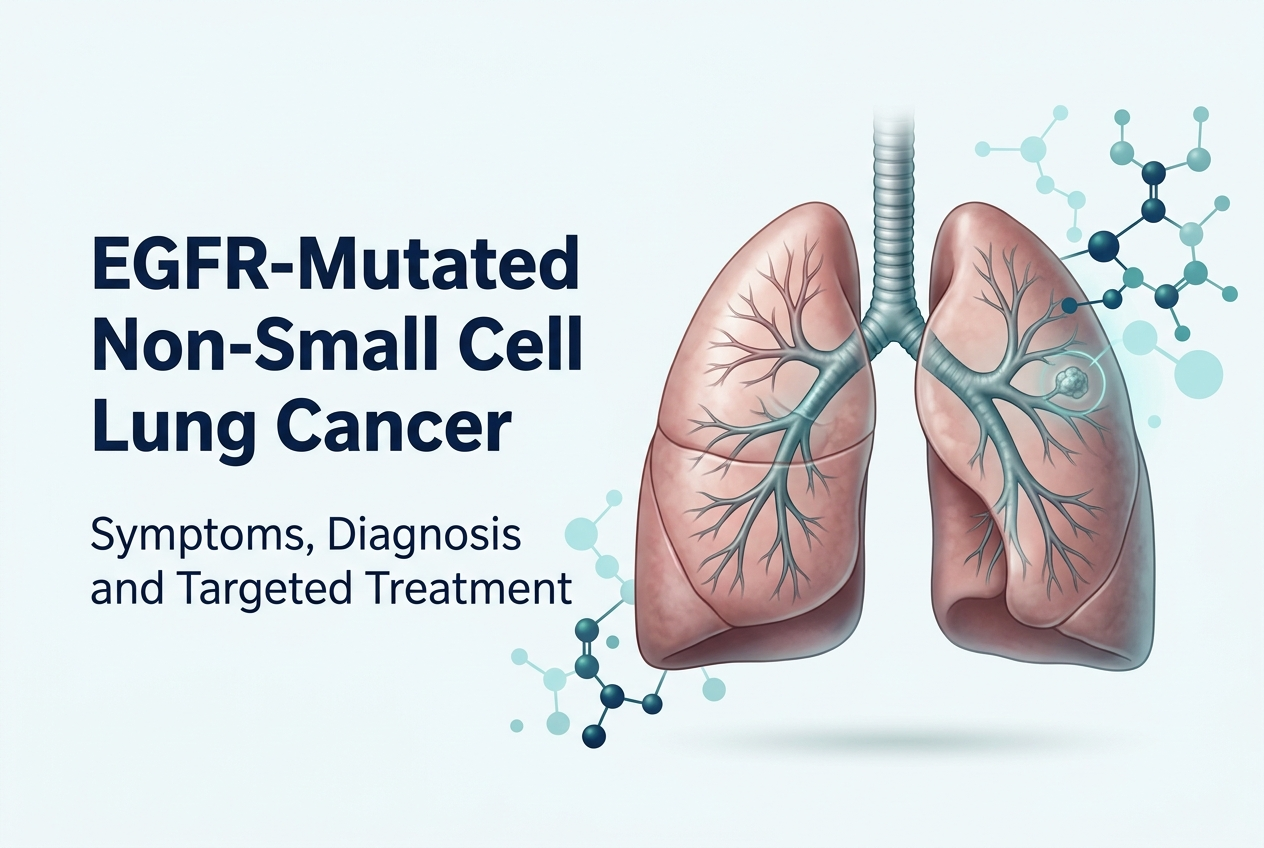
EGFR-Mutated Non-Small Cell Lung Cancer: Symptoms, Diagnosis and Treatment
Introduction
Non-small cell lung cancer (NSCLC) is the most common category of lung cancer. It includes several types of cancer that develop in the tissues of the lungs. In some patients, cancer cells contain genetic changes that help them grow and divide abnormally. One important change involves the epidermal growth factor receptor (EGFR) gene.
EGFR-mutated non-small cell lung cancer is a type of lung cancer in which specific changes in the EGFR gene contribute to cancer growth. Identifying these changes can help doctors select treatments designed to target the underlying molecular abnormality.
Osimertinib is an oral targeted therapy used for certain EGFR-mutated NSCLC settings. Depending on the patient's cancer stage, mutation type, previous treatment and clinical circumstances, it may be used after surgery, following chemoradiation for certain unresectable stage III cancers, or for advanced disease. Some patients with advanced disease may receive osimertinib in combination with chemotherapy.
Understanding the symptoms, diagnostic process, treatment choices and supportive care options can help patients and families prepare for discussions with their oncology team.
What Is EGFR-Mutated Non-Small Cell Lung Cancer?
Non-small cell lung cancer develops when abnormal cells in the lungs grow uncontrollably. The main NSCLC subtypes include adenocarcinoma, squamous cell carcinoma and large cell carcinoma.
EGFR is a gene that provides instructions for making a protein involved in cell growth and survival. Certain changes in this gene can cause signalling pathways to remain abnormally active, encouraging cancer cells to multiply.
Common EGFR alterations relevant to treatment include exon 19 deletions and the exon 21 L858R mutation. Other EGFR alterations may respond differently to available treatments, so the exact mutation matters.
EGFR-mutated lung cancer is not a separate organ cancer; it is a molecular subtype of NSCLC. Molecular testing helps determine whether an EGFR-targeted medicine may be appropriate.
Causes and Risk Factors
There is no single cause of EGFR-mutated NSCLC. Lung cancer develops through a combination of genetic changes and other biological and environmental influences.
Factors associated with lung cancer generally include:
Tobacco smoking, including exposure to second-hand smoke.
Radon exposure.
Certain occupational exposures, including asbestos and other carcinogenic substances.
Air pollution and other environmental exposures.
Increasing age.
A personal or family history of lung cancer.
However, EGFR mutations can also occur in people who have never smoked. A person should not assume that they cannot develop lung cancer because they do not smoke.
The presence of an EGFR mutation does not, by itself, establish why a particular person developed cancer.
Symptoms of EGFR-Mutated Lung Cancer
Symptoms vary depending on the location and extent of the cancer. Some patients have few or no symptoms during the early stages.
Possible symptoms include:
A persistent or worsening cough.
Shortness of breath.
Chest discomfort or pain.
Coughing up blood.
Unexplained weight loss.
Fatigue or weakness.
Reduced appetite.
Recurrent respiratory infections.
If cancer spreads beyond the lungs, additional symptoms may occur. Bone involvement can cause persistent bone pain, while brain involvement may cause headaches, seizures, weakness, confusion or changes in balance.
These symptoms can also occur with conditions other than cancer. Anyone experiencing persistent or concerning symptoms should seek medical evaluation. Severe breathing difficulty, significant coughing of blood, a seizure or sudden neurological symptoms require urgent medical attention.
How Is EGFR-Mutated NSCLC Diagnosed?
Diagnosis typically involves several steps. The exact process depends on the patient's symptoms, medical history and suspected disease stage.
1. Medical History and Physical Examination
The healthcare team reviews symptoms, smoking history, occupational exposures, previous illnesses and general health. A physical examination may help identify signs requiring further investigation.
2. Imaging Tests
Imaging may include a chest X-ray, computed tomography (CT) scan or positron emission tomography (PET/CT), depending on the clinical situation. Magnetic resonance imaging (MRI) of the brain may be recommended when assessing possible brain involvement or as part of staging in selected patients.
Imaging helps identify suspicious lesions and assess whether cancer may have spread.
3. Biopsy and Pathology
A biopsy collects a tissue sample from a suspected tumour or another appropriate site. A pathologist examines the sample to determine whether cancer is present and, when possible, identify its subtype.
In some situations, other sampling methods may be used when a conventional biopsy is difficult or unsuitable.
4. EGFR Mutation Testing
Molecular testing is important when the results could influence treatment. Testing may be performed on tumour tissue or, in selected circumstances, a blood sample that looks for tumour-derived DNA.
A negative blood test does not always exclude an EGFR mutation. The oncology team may recommend tissue testing or additional evaluation if clinically appropriate.
The specific mutation should be reviewed before choosing an EGFR-targeted treatment.
5. Staging
Staging assesses the extent of the cancer and whether it has spread to lymph nodes or distant organs. Results help the oncology team determine which treatment strategies may be appropriate.
Stages of Non-Small Cell Lung Cancer
NSCLC is commonly described using stages I through IV, although staging details are more complex than a single number.
Stage I: Cancer is relatively limited and has not spread to distant sites.
Stage II: Cancer may be larger or involve nearby lymph nodes.
Stage III: Cancer may involve more extensive nearby structures or lymph nodes, without distant metastasis.
Stage IV: Cancer has spread to distant parts of the body or has other features classified as metastatic disease.
Treatment decisions also depend on whether the cancer can be removed surgically, the exact EGFR mutation, the patient's general health and previous treatments.
Two patients with the same stage may receive different treatment plans because their tumour biology and medical circumstances differ.
Treatment Options for EGFR-Mutated NSCLC
Treatment is individualised. Options may include surgery, radiation therapy, targeted therapy, chemotherapy or combinations of these approaches.
Surgery
For selected patients with localised NSCLC, surgery may offer the possibility of removing the tumour. The decision depends on tumour location, stage, lung function and overall health.
Some patients with eligible EGFR mutations may receive adjuvant targeted therapy after surgery to reduce the risk of recurrence, according to the applicable treatment criteria.
Radiation Therapy
Radiation therapy uses high-energy radiation to damage cancer cells. It may be used in selected early-stage cases, as part of treatment for locally advanced disease, or to relieve symptoms caused by cancer at particular sites.
For certain patients with unresectable stage III EGFR-mutated NSCLC whose disease has not progressed during or after platinum-based chemoradiation, osimertinib may be considered as subsequent treatment.
Targeted Therapy
Targeted therapy acts on specific molecular features that help cancer cells grow. Unlike traditional chemotherapy, which affects a broader range of rapidly dividing cells, targeted medicines are designed to interfere with particular biological pathways.
Osimertinib is an EGFR tyrosine kinase inhibitor. It inhibits specific abnormal EGFR signalling pathways, including common sensitising EGFR alterations and the T790M resistance mutation.
Depending on the approved indication and individual clinical circumstances, osimertinib may be used in certain patients:
After surgery for eligible EGFR-mutated NSCLC.
Following chemoradiation for eligible unresectable stage III disease.
As treatment for eligible advanced or metastatic EGFR-mutated NSCLC.
In combination with platinum-based chemotherapy for selected patients with locally advanced or metastatic disease.
The appropriate treatment depends on the exact mutation, stage, treatment history, local prescribing information and the oncologist's assessment.
Chemotherapy
Chemotherapy uses medicines that damage or destroy cancer cells. It may be recommended alone or with other treatments, depending on the disease setting.
For certain patients with advanced NSCLC containing EGFR exon 19 deletions or exon 21 L858R mutations, osimertinib combined with platinum-based chemotherapy is one treatment option. The potential benefits and additional side effects should be discussed with the oncology team.
Immunotherapy
Immunotherapy helps the immune system recognise or attack cancer cells. Its role varies according to tumour characteristics and treatment history.
In EGFR-mutated NSCLC, immunotherapy is not automatically the preferred initial treatment simply because the cancer is advanced. The presence of a targetable mutation can substantially influence treatment selection. The oncology team should consider molecular results before recommending an immunotherapy-based approach.
Osimertinib: Important Medicine Information
Osimertinib is an oral targeted anticancer medicine. It is commonly associated with the brand name Tagrisso in some markets, while other brands may be sold in different countries. Brand names, product registrations and availability vary by market.
Osimertinib 80 mg is a strength used in several approved treatment settings. The correct dose, schedule and duration must be confirmed by the prescribing oncology specialist. Patients should not start, stop, split, or change their treatment without medical advice.
Possible Side Effects
Potential side effects of osimertinib include:
Diarrhoea.
Skin rash or acne-like skin changes.
Dry skin.
Nail changes.
Mouth inflammation or soreness.
Reduced appetite or fatigue.
Changes in blood counts or laboratory test results.
Some adverse effects can be serious. Osimertinib may be associated with inflammation of the lungs, heart-related problems including changes in heart rhythm or reduced heart pumping function, and eye problems. The full risk profile and recommended monitoring should be reviewed with the treating team.
Seek urgent medical advice for new or worsening breathing difficulty, fever with respiratory symptoms, fainting, significant palpitations, severe eye symptoms or other serious or rapidly worsening symptoms.
Monitoring During Treatment
Monitoring may include clinical reviews, blood tests, assessment of respiratory symptoms and other investigations based on the patient's health and local prescribing guidance. Heart monitoring or eye assessment may be appropriate in certain circumstances.
Patients should tell their healthcare team about all medicines, supplements and herbal products they use, as well as any history of heart problems, lung disease or other significant medical conditions.
Living With EGFR-Mutated Lung Cancer
Cancer care includes more than anticancer treatment. Supportive care can help patients maintain strength, manage symptoms and improve quality of life.
Nutrition and Hydration
A balanced diet and adequate fluids can help support general health during treatment. Patients experiencing appetite loss, diarrhoea or weight changes may benefit from advice from a registered dietitian or their clinical team.
Dietary changes should be tailored to individual needs, particularly when other medical conditions are present.
Physical Activity
Appropriate physical activity may help reduce fatigue and maintain mobility. The level of activity should be adjusted according to symptoms, fitness and treatment effects. Patients should consult their healthcare team before starting a new exercise programme.
Emotional Support
A lung cancer diagnosis can create emotional and financial stress for patients and families. Counselling, support groups and conversations with trusted family members may help patients cope with uncertainty and treatment demands.
Follow-Up Care
Regular follow-up helps the oncology team assess treatment response, monitor side effects and identify changes in the disease. Patients should attend scheduled appointments and report new symptoms promptly.
Questions to Ask the Oncologist
Patients may find it helpful to ask:
What exact EGFR mutation was found?
What is the stage and subtype of my lung cancer?
What is the goal of the recommended treatment?
Is osimertinib appropriate for my specific diagnosis?
Should treatment be given alone or with chemotherapy?
What side effects require urgent attention?
What monitoring tests will I need?
How will treatment response be assessed?
What should I do if I miss a dose or develop side effects?
Are there financial assistance or supportive care resources available?
Medicine Information and RootAid Pharma
Patients and caregivers seeking information about cancer medicines should confirm the generic name, strength, pack details, product registration and storage instructions with a qualified healthcare professional or authorised medicine supplier.
Osikin 80 mg was supplied as a product name with a stated pack size of 30 tablets. The generic name provided was osimertinib. The product's manufacturer, registration status, authenticity and current availability should be verified independently before purchase or use.
For medicine information and availability enquiries, visit RootAid Pharma at https://rootaidpharma.com.bd. Contact the supplier directly to confirm current stock, product details and relevant documentation. This website reference is not a guarantee that a particular product is currently available.
Frequently Asked Questions (FAQs)
1. What is EGFR-mutated non-small cell lung cancer?
It is a form of NSCLC in which cancer cells contain specific changes in the EGFR gene that can promote abnormal cell growth.
2. Is EGFR-mutated lung cancer different from other lung cancers?
It is a molecular subtype of NSCLC. Identifying the mutation can help doctors select treatments that target the abnormal EGFR pathway.
3. What does EGFR stand for?
EGFR stands for epidermal growth factor receptor. It is involved in signalling pathways that regulate cell growth and survival.
4. What is osimertinib used for?
Osimertinib is a targeted therapy used for certain EGFR-mutated NSCLC settings. Eligibility depends on the mutation, disease stage, previous treatment and applicable prescribing guidance.
5. Is osimertinib a chemotherapy medicine?
No. Osimertinib is an EGFR-targeted tyrosine kinase inhibitor. It may, however, be prescribed with chemotherapy for selected patients.
6. Does every lung cancer patient benefit from osimertinib?
No. It is intended for specific clinical situations, particularly those involving eligible EGFR alterations. Molecular testing and specialist assessment are important.
7. Why is EGFR mutation testing important?
It can identify changes that may make a tumour suitable for EGFR-targeted treatment and help guide treatment decisions.
8. Can people who have never smoked develop EGFR-mutated lung cancer?
Yes. EGFR mutations can occur in people who have never smoked as well as in people with a smoking history.
9. What are common symptoms of NSCLC?
Symptoms may include a persistent cough, shortness of breath, chest discomfort, coughing up blood, fatigue and unexplained weight loss. Some patients have no symptoms initially.
10. Can EGFR-mutated lung cancer spread to the brain?
Yes. NSCLC can spread to the brain and other organs. The risk and appropriate monitoring depend on the individual case.
11. What are common side effects of osimertinib?
Possible side effects include diarrhoea, rash, dry skin, nail changes and mouth inflammation. Serious lung, heart or eye problems can also occur.
12. How long is osimertinib treatment continued?
Treatment duration depends on the indication, disease response, tolerability and the prescribing guidance. It may differ between postoperative, post-chemoradiation and advanced-disease settings.
13. Can osimertinib cure lung cancer?
A guaranteed cure cannot be promised. In selected settings, treatment may reduce the risk of recurrence or control disease, but outcomes vary between patients.
14. What does Osikin 80 mg mean?
It is the product name and strength supplied for this article. The generic name provided is osimertinib. The brand identity and product details should be confirmed from the original packaging and authorised documentation.
15. Where can I ask about cancer medicine availability?
You can visit RootAid Pharma at rootaidpharma.com.bd to make an enquiry. Confirm current availability, product authenticity and supplier documentation directly before purchase.
Medical Disclaimer
This article is intended for general educational and informational purposes only. It does not replace professional medical advice, diagnosis or treatment. Cancer treatment decisions must be made by a qualified oncology specialist using the patient's pathology, molecular test results, disease stage, medical history and current clinical guidance.
Do not start, stop or change osimertinib or any other cancer medicine without consulting the treating healthcare professional.
Need help after reading this?
Talk to our support team for sourcing guidance, product availability, and global delivery assistance.