Dacomitinib for EGFR-Mutated Non-Small Cell Lung Cancer: Uses, Benefits and Side Effects
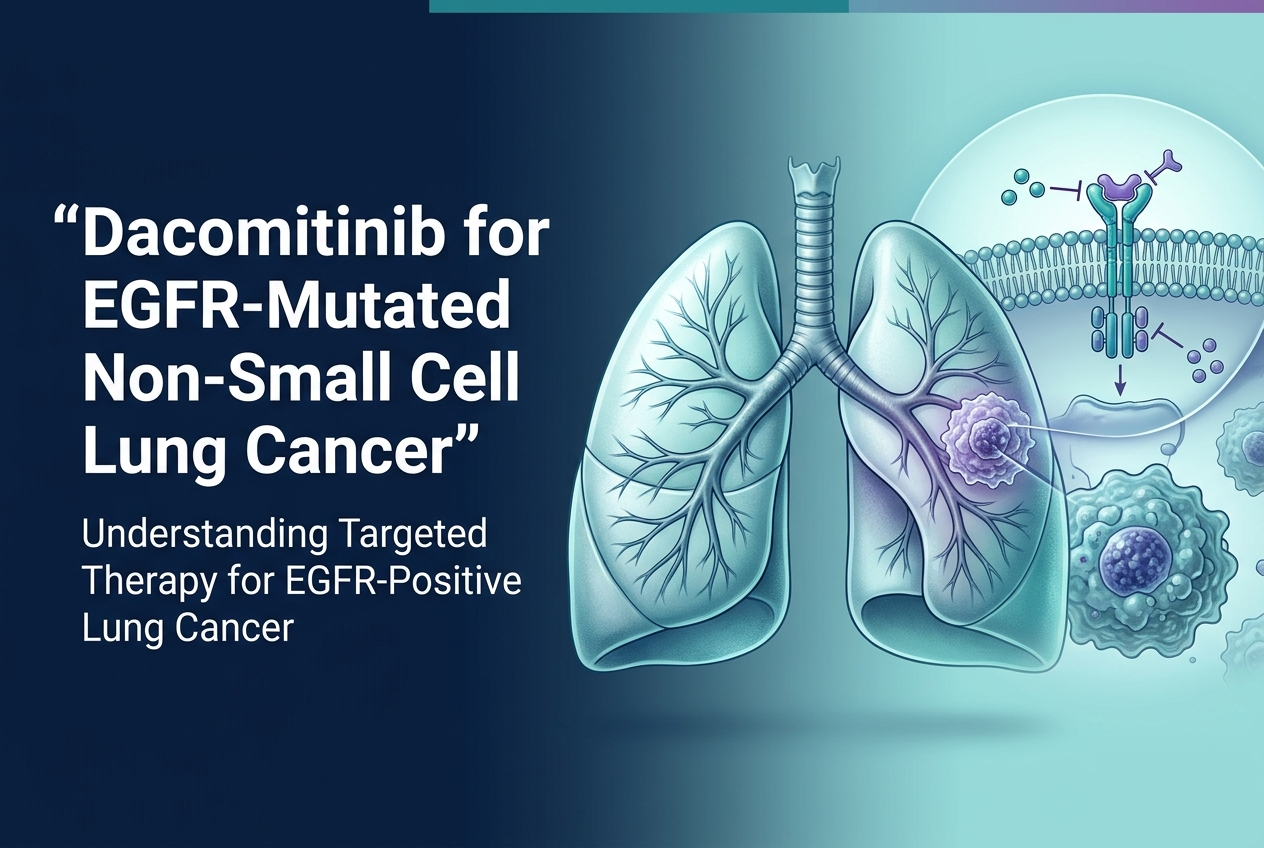
Dacomitinib for EGFR-Mutated Non-Small Cell Lung Cancer: Uses, Benefits and Side Effects
Introduction
Lung cancer is one of the most commonly diagnosed cancers worldwide. Among its major types, non-small cell lung cancer (NSCLC) accounts for the majority of lung cancer cases. Advances in molecular testing and targeted treatment have improved care for patients whose tumors contain specific genetic changes.
One important treatment option for selected patients with advanced NSCLC is dacomitinib, an oral targeted therapy. It is prescribed for patients with metastatic NSCLC whose tumors have certain epidermal growth factor receptor (EGFR) mutations.
Dacomitinib is marketed under different brand names in different countries. Daconib 45 mg is one product name associated with dacomitinib. The supplied product information lists a pack size of 30 tablets.
This article explains EGFR-mutated lung cancer, how dacomitinib works, who may be eligible for treatment, possible side effects, and important safety considerations.
What Is Non-Small Cell Lung Cancer?
Non-small cell lung cancer is a group of lung cancers that develop when abnormal cells grow uncontrollably in lung tissue. It is different from small cell lung cancer in its cellular characteristics, behavior, and treatment approach.
The main types of NSCLC include:
Adenocarcinoma: Often develops in the outer areas of the lungs and is the most common NSCLC subtype.
Squamous cell carcinoma: Usually begins in cells lining the airways.
Large cell carcinoma: A less common type that may develop in different parts of the lung.
Treatment depends on the cancer subtype, stage, molecular characteristics, overall health, and previous treatments.
What Is EGFR-Mutated Lung Cancer?
EGFR stands for epidermal growth factor receptor. It is a protein found on the surface of cells that helps regulate cell growth and division.
In some lung cancers, changes in the EGFR gene cause the receptor to become abnormally active. This can encourage cancer cells to grow and multiply.
Two important EGFR mutations associated with dacomitinib treatment are:
EGFR exon 19 deletion
EGFR exon 21 L858R substitution
These mutations can make cancer cells more dependent on EGFR signaling. Targeted medicines can block this signaling pathway and help slow cancer growth.
Not every patient with lung cancer has an EGFR mutation. Molecular testing is therefore essential before selecting an EGFR-targeted treatment.
What Is Dacomitinib?
Dacomitinib is an oral targeted anticancer medicine belonging to a group of drugs called tyrosine kinase inhibitors (TKIs).
It is a second-generation, irreversible inhibitor of the EGFR family of receptors, including EGFR, HER2 and HER4. By blocking these signaling pathways, dacomitinib can interfere with signals that help certain cancer cells grow and survive.
Dacomitinib is indicated as a first-line treatment for patients with metastatic NSCLC containing EGFR exon 19 deletion or exon 21 L858R substitution mutations, when identified by an appropriate validated test.
It is not a general treatment for every type of lung cancer.
How Does Dacomitinib Work?
Cancer cells with certain EGFR mutations may receive continuous growth signals through the EGFR pathway.
Dacomitinib binds to members of the EGFR receptor family and irreversibly inhibits their tyrosine kinase activity. This reduces abnormal signaling involved in cancer cell growth and survival.
The treatment aims to control cancer progression. It does not guarantee a cure, and individual responses can vary.
Who May Be Eligible for Dacomitinib Treatment?
Dacomitinib may be considered for adults with metastatic NSCLC when testing confirms one of the relevant EGFR mutations:
EGFR exon 19 deletion.
EGFR exon 21 L858R substitution.
The oncology team also considers the patient's medical history, previous treatment, general health, organ function, possible drug interactions, and ability to tolerate treatment.
A diagnosis of lung cancer alone is not enough to determine eligibility.
Symptoms of Non-Small Cell Lung Cancer
Symptoms may differ depending on the location and extent of the tumor.
Common symptoms include:
Persistent or worsening cough.
Coughing up blood.
Chest pain or discomfort.
Shortness of breath.
Hoarseness.
Repeated chest infections.
Unexplained weight loss.
Loss of appetite.
Persistent fatigue.
Some patients have few or no symptoms during the early stages. Symptoms can also occur in conditions other than cancer, so medical assessment is important.
Risk Factors for Lung Cancer
Several factors may increase the risk of developing lung cancer.
Smoking
Tobacco smoking is a major risk factor for lung cancer. Exposure to secondhand smoke can also increase risk.
Radon Exposure
Radon is a naturally occurring radioactive gas that can accumulate inside buildings and increase lung cancer risk.
Air Pollution
Long-term exposure to certain air pollutants may contribute to lung cancer risk.
Occupational Exposure
Exposure to substances such as asbestos, arsenic, silica and some industrial chemicals may increase risk.
Family History
A family history of lung cancer may be associated with an increased risk, although it does not mean that a person will necessarily develop the disease.
Importantly, EGFR mutations are molecular changes found in tumor cells. They are not simply a result of smoking, and lung cancer can occur in people who have never smoked.
How Is EGFR-Mutated Lung Cancer Diagnosed?
Accurate diagnosis is essential for selecting appropriate treatment.
Imaging Tests
Doctors may recommend:
Chest X-ray.
CT scan of the chest.
PET-CT scan.
Brain MRI when clinically indicated.
These tests help identify tumors and evaluate whether cancer has spread.
Biopsy
A biopsy involves collecting a sample of suspicious tissue. A pathologist examines the sample to determine whether cancer is present and identify its type.
Molecular Testing
Molecular testing examines tumor tissue or, in selected situations, circulating tumor DNA from a blood sample.
Testing can identify EGFR mutations and other genetic changes that may influence treatment decisions.
For dacomitinib, the presence of an EGFR exon 19 deletion or exon 21 L858R substitution is particularly important.
Staging
Staging describes how far cancer has spread. Metastatic NSCLC means that cancer has spread beyond its original location to distant parts of the body.
Treatment Options for NSCLC
Treatment is selected according to cancer stage, tumor genetics, patient health, and treatment goals.
Targeted Therapy
Targeted therapy is designed to interfere with specific molecular pathways involved in cancer growth.
Dacomitinib is one option for selected patients with metastatic NSCLC carrying the relevant EGFR mutations.
Other EGFR-targeted medicines may be appropriate in different clinical situations. The best option depends on current treatment guidelines, the specific mutation, patient factors, and local regulatory approvals.
Chemotherapy
Chemotherapy uses medicines that damage or destroy rapidly dividing cells. It may be used alone or in combination with other treatments, depending on the cancer type and treatment setting.
Immunotherapy
Immunotherapy helps the immune system recognize and attack cancer cells. Its suitability in NSCLC depends on factors such as tumor biomarkers, molecular findings, and clinical circumstances.
Radiation Therapy
Radiation therapy uses high-energy radiation to destroy cancer cells or control symptoms in specific areas.
Surgery
Surgery may be considered for selected patients with localized NSCLC. It is generally not the main treatment for widespread metastatic disease.
Dacomitinib 45 mg: Important Treatment Information
Daconib 45 mg contains dacomitinib, according to the supplied product details.
The prescribing information for dacomitinib lists 45 mg orally once daily as the recommended starting dose for its approved EGFR-mutated metastatic NSCLC indication. It may be taken with or without food.
However, this information is not an instruction for self-medication. Only an oncologist can determine whether dacomitinib is suitable and prescribe the appropriate dose.
If serious or persistent adverse reactions occur, a doctor may interrupt treatment or reduce the dose. Dose changes must not be made independently.
If a dose is missed or the patient vomits after taking it, the prescribing information advises not to take an additional dose to make up for it. The patient should follow the prescribed schedule and contact the treating team if uncertain.
Possible Side Effects of Dacomitinib
Like other targeted cancer medicines, dacomitinib can cause side effects. Their severity varies between patients.
Commonly reported side effects include:
Diarrhea.
Skin rash.
Dry skin.
Itching.
Nail inflammation or infection around the nails.
Mouth sores or inflammation of the mouth.
Reduced appetite.
Weight loss.
Hair loss.
Cough.
Serious Side Effects
Some adverse reactions require prompt medical attention.
Interstitial Lung Disease (ILD): Dacomitinib may cause inflammation or damage involving lung tissue. New or worsening shortness of breath, cough or fever should be reported immediately.
Severe Diarrhea: Persistent or severe diarrhea can cause dehydration and electrolyte disturbances. Patients should contact their healthcare team promptly.
Severe Skin Reactions: Worsening rash, blistering, peeling or significant skin irritation should be medically assessed.
The treating doctor may recommend supportive treatment, temporary interruption, dose reduction or permanent discontinuation depending on the severity and nature of the reaction.
Precautions Before and During Treatment
Before starting dacomitinib, patients should discuss their complete medical history and current medicines with their oncologist.
Important considerations include:
Confirming the relevant EGFR mutation through appropriate testing.
Reporting existing lung or breathing problems.
Discussing liver and kidney health.
Reviewing all prescription medicines, non-prescription medicines and supplements.
Discussing pregnancy plans and breastfeeding.
Monitoring diarrhea, skin reactions and respiratory symptoms.
Dacomitinib can cause fetal harm. Patients who could become pregnant should discuss effective contraception with their healthcare provider. Breastfeeding should be avoided during treatment and for the period specified in the product information.
Some medicines can affect dacomitinib exposure or interact with it. For example, proton pump inhibitors may reduce dacomitinib exposure. Patients should not start or stop acid-reducing medicines without medical advice.
Living With EGFR-Mutated Lung Cancer
Living with metastatic lung cancer can be physically and emotionally challenging. Alongside medical treatment, supportive care can help patients maintain their quality of life.
Helpful measures may include:
Keeping regular oncology appointments.
Reporting new symptoms early.
Maintaining adequate fluid intake, especially if diarrhea develops.
Eating balanced meals according to individual nutritional needs.
Following skin-care advice from the healthcare team.
Avoiding tobacco smoke.
Seeking emotional and family support.
Discussing pain, fatigue and sleep problems with healthcare professionals.
Supportive and palliative care can be provided alongside cancer-directed treatment. It focuses on symptom relief, comfort and quality of life.
Daconib 45 mg and RootAid Pharma
Daconib 45 mg is the supplied brand and strength information for dacomitinib, with a listed pack size of 30 tablets.
Patients and caregivers seeking medicine information or making availability enquiries can visit RootAid Pharma at https://rootaidpharma.com.bd.
Product availability, brand details, pack information and purchasing arrangements should be confirmed directly with the website or its responsible team. RootAid Pharma is mentioned here as a medicine information and enquiry destination, not as the manufacturer of dacomitinib.
Frequently Asked Questions
1. What is Daconib 45 mg used for?
Daconib 45 mg contains dacomitinib. Dacomitinib is used for selected patients with metastatic NSCLC carrying EGFR exon 19 deletion or exon 21 L858R mutations.
2. What is the generic name of Daconib?
The generic name is dacomitinib.
3. Which cancer does dacomitinib treat?
Its approved indication includes a specific group of EGFR mutation-positive metastatic non-small cell lung cancers.
4. Is dacomitinib a chemotherapy medicine?
Dacomitinib is a targeted therapy known as a tyrosine kinase inhibitor. It is different from conventional cytotoxic chemotherapy.
5. Does every lung cancer patient qualify for dacomitinib?
No. Eligibility depends on the cancer diagnosis and confirmation of the relevant EGFR mutation, along with other clinical factors.
6. What EGFR mutations are relevant to dacomitinib?
The relevant mutations are EGFR exon 19 deletion and exon 21 L858R substitution.
7. Is EGFR testing necessary before treatment?
Yes. Appropriate molecular testing is important to identify patients whose tumors have the mutations relevant to dacomitinib treatment.
8. What is the recommended starting dose of dacomitinib?
The labeled recommended starting dose is 45 mg orally once daily for the indicated patient group. A qualified oncologist must prescribe and supervise treatment.
9. Can dacomitinib be taken with food?
The prescribing information states that it can be taken with or without food.
10. What are the common side effects of dacomitinib?
Common side effects include diarrhea, rash, dry skin, mouth sores, nail inflammation, reduced appetite and weight loss.
11. Can dacomitinib cause serious lung problems?
Yes. Interstitial lung disease or pneumonitis can occur. New or worsening breathing problems, cough or fever require immediate medical attention.
12. What should a patient do if diarrhea develops?
The patient should contact the treating healthcare team promptly. Severe diarrhea can cause dehydration and may require medical treatment or adjustment of the medicine.
13. Can the dacomitinib dose be reduced?
A doctor may reduce the dose when adverse reactions require it. Patients should never change the dose without medical supervision.
14. Is dacomitinib suitable for small cell lung cancer?
Dacomitinib's indicated use described in this article is for selected EGFR-mutated metastatic NSCLC, not small cell lung cancer.
15. Where can patients make enquiries about Daconib 45 mg?
Patients can visit RootAid Pharma at https://rootaidpharma.com.bd for medicine information and availability enquiries. Current stock and product details should be confirmed directly.
Conclusion
Dacomitinib is an oral targeted therapy for a specific group of patients with metastatic non-small cell lung cancer carrying EGFR exon 19 deletion or exon 21 L858R mutations. Molecular testing is essential to determine whether a patient may benefit from this treatment.
Although dacomitinib can help control cancer progression in eligible patients, it can also cause significant adverse reactions. Careful monitoring and supervision by an experienced oncologist are essential throughout treatment.
For medicine information and availability enquiries, visit RootAid Pharma at https://rootaidpharma.com.bd.
Medical Disclaimer
This article is intended for educational and informational purposes only. It does not replace professional medical advice, diagnosis or treatment. Dacomitinib is a prescription anticancer medicine and should only be used under the supervision of a qualified oncologist. Treatment decisions must be based on appropriate diagnostic testing, the patient's medical condition and current clinical guidance.
Need help after reading this?
Talk to our support team for sourcing guidance, product availability, and global delivery assistance.