Bladder Cancer: Symptoms, Diagnosis, Treatment & Erdafitinib
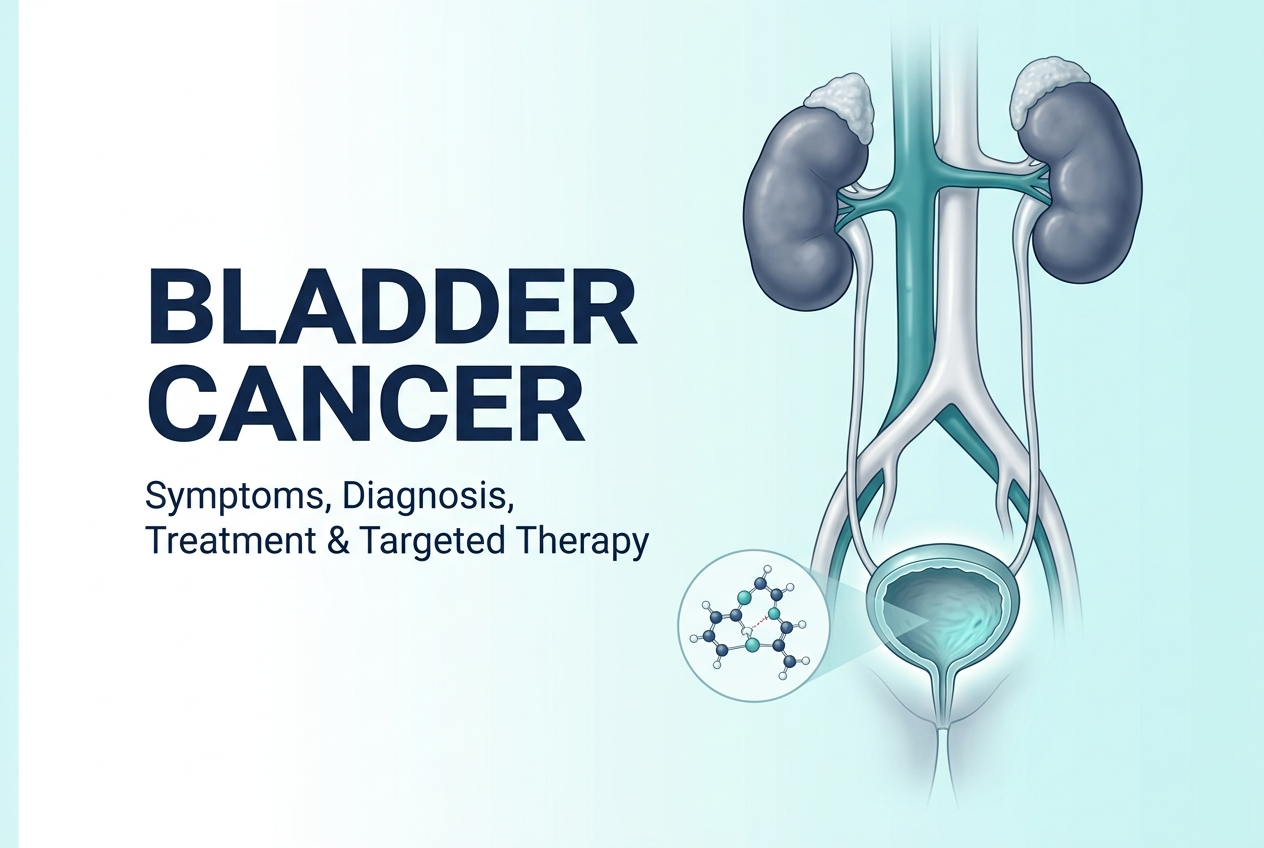
Bladder Cancer: Symptoms, Diagnosis, Stages, Treatment Options, and Erdafitinib
Introduction
Bladder cancer is a disease in which abnormal cells grow uncontrollably in the urinary bladder, the organ that stores urine before it leaves the body. It is one of the most common cancers of the urinary tract. Early recognition, accurate diagnosis, and appropriate treatment planning are important for managing the disease.
Treatment depends on several factors, including the type of bladder cancer, its stage, whether it has spread, the patient's general health, and specific molecular changes in the tumor. Options may include surgery, chemotherapy, immunotherapy, radiation therapy, and targeted treatment.
One targeted medicine used for selected patients with advanced urothelial carcinoma is erdafitinib. It may be considered when the cancer has a susceptible FGFR3 genetic alteration and meets the relevant treatment criteria. It is not appropriate for every patient with bladder cancer.
This guide explains bladder cancer symptoms, risk factors, diagnosis, stages, treatment approaches, and important information about erdafitinib.
What Is Bladder Cancer?
The urinary bladder is a hollow organ in the lower abdomen. It receives urine from the kidneys through the ureters and stores it until urination.
Bladder cancer develops when cells in the bladder begin to grow abnormally. The most common type is urothelial carcinoma, also called transitional cell carcinoma. Urothelial cells line the inside of the bladder and parts of the urinary tract.
Bladder cancer can be described according to how deeply it has grown into the bladder wall:
Non-muscle-invasive bladder cancer: The cancer has not grown into the bladder's muscle layer.
Muscle-invasive bladder cancer: The cancer has grown into the muscle layer.
Locally advanced bladder cancer: The disease has spread into nearby structures or tissues.
Metastatic bladder cancer: The cancer has spread to distant parts of the body.
These categories help clinicians determine which treatment approaches may be suitable.
Common Symptoms of Bladder Cancer
Blood in the urine, known as hematuria, is the most common warning sign of bladder cancer. The urine may appear pink, rusty, or red, although blood may sometimes be visible only on laboratory testing.
Other possible symptoms include:
Frequent urination
Pain or burning during urination
Feeling an urgent need to urinate
Urinating more often at night
Difficulty passing urine
Lower abdominal discomfort
When the disease is advanced, symptoms may include persistent back or abdominal pain, bone pain, unexplained weight loss, reduced appetite, swelling in the feet, or unusual fatigue.
These symptoms do not automatically mean that someone has cancer. Urinary tract infections, stones, and other conditions can cause similar problems. However, visible blood in the urine or persistent urinary symptoms should be medically evaluated rather than ignored.
Causes and Risk Factors
There is no single cause of bladder cancer. It develops through changes in cells that allow them to grow abnormally. Certain exposures and personal characteristics can increase risk.
Smoking
Tobacco smoking is an important risk factor. Chemicals from tobacco can enter the bloodstream, pass through the kidneys, and accumulate in urine, exposing the bladder lining to harmful substances.
Chemical Exposure
Long-term occupational exposure to certain industrial chemicals has been associated with bladder cancer. Risk assessment may consider a person's work history and exposure to chemicals used in some manufacturing and processing industries.
Increasing Age
Bladder cancer is more common in older adults, although it can occur at younger ages.
Previous Cancer Treatment
Some previous treatments, including particular chemotherapy drugs or radiation involving the pelvic area, may increase the risk of bladder cancer.
Chronic Bladder Problems
Certain long-term bladder conditions and chronic irritation are associated with an increased risk of specific bladder cancer types.
Family and Personal History
A personal history of bladder cancer can increase the likelihood of recurrence. Family history and inherited susceptibility may also be relevant in some cases.
Having one or more risk factors does not mean a person will develop bladder cancer, and some people develop the disease without an obvious risk factor.
How Is Bladder Cancer Diagnosed?
Diagnosis usually involves a combination of medical history, laboratory tests, examination, and procedures to inspect the bladder and determine whether cancer is present.
1. Medical History and Physical Examination
A clinician may ask about urinary symptoms, smoking history, occupational exposure, previous medical conditions, and family history.
2. Urine Tests
Urine testing can help identify blood, infection, or abnormal cells. Urine cytology may be used to look for cancer cells, although it cannot detect every bladder cancer.
3. Cystoscopy
Cystoscopy allows a clinician to inspect the inside of the bladder using a thin instrument with a camera or light. It is an important procedure when bladder cancer is suspected.
4. Biopsy and Tumor Examination
A tissue sample is examined under a microscope to determine whether cancer is present and to identify its characteristics. The pathology report helps establish the cancer type and how abnormal the cells appear.
5. Imaging Tests
CT scans, MRI, ultrasound, or other imaging tests may be used depending on the clinical situation. These can help assess the extent of disease and whether it has spread beyond the bladder.
6. Molecular Testing
For selected patients with advanced urothelial carcinoma, testing for specific genetic alterations can help identify whether a targeted medicine such as erdafitinib may be appropriate. The required test and eligibility criteria depend on the applicable prescribing information and treatment guidelines.
Stages of Bladder Cancer
Staging describes how far the cancer has grown or spread. The stage helps guide treatment decisions.
Stage 0: Abnormal cancer cells are confined to the innermost lining of the bladder.
Stage I: The cancer has grown into connective tissue beneath the lining but has not reached the bladder muscle.
Stage II: The cancer has invaded the bladder muscle.
Stage III: The cancer has spread through the bladder muscle to nearby tissues or organs, or to regional lymph nodes, depending on the exact classification.
Stage IV: The disease has spread to more distant structures, lymph nodes, or organs.
The precise stage is determined using clinical findings, pathology, imaging, and other investigations. The stage alone does not determine every treatment decision; tumor biology and the patient's overall health also matter.
Bladder Cancer Treatment Options
There is no single treatment plan for all bladder cancers. Care is individualized according to the cancer's stage, grade, molecular characteristics, previous treatment, and the patient's preferences and overall health.
Surgery
Surgery is a major treatment option. For some early bladder cancers, a procedure called transurethral resection of bladder tumor (TURBT) is used to remove visible tumor tissue through the urethra.
Some patients with muscle-invasive disease may need removal of the bladder, known as cystectomy, alongside an appropriate plan for urinary diversion. The need for surgery depends on the individual case.
Intravesical Therapy
Intravesical treatment delivers medicine directly into the bladder through a catheter. It may be used after surgery for certain non-muscle-invasive bladder cancers to reduce the risk of recurrence or progression.
Chemotherapy
Chemotherapy uses medicines that kill or inhibit the growth of cancer cells. It may be administered into the bladder or throughout the body, depending on the disease stage and treatment goal.
Immunotherapy
Immunotherapy helps the immune system recognize or attack cancer cells. Certain immunotherapy medicines are used in selected bladder cancer settings, depending on the stage, prior treatments, biomarkers, and current treatment recommendations.
Radiation Therapy
Radiation uses high-energy beams to destroy cancer cells. It may be considered in selected treatment plans, including approaches that aim to preserve the bladder or to relieve symptoms.
Targeted Therapy
Targeted therapy acts on particular proteins or molecular pathways involved in cancer growth. Biomarker testing may help identify patients who could benefit from a specific targeted medicine.
Erdafitinib is one such option for eligible adults with advanced urothelial carcinoma harboring susceptible FGFR3 genetic alterations under its approved indication. It is not a general treatment for every bladder tumor.
Erdafitinib for Selected Patients With Advanced Urothelial Carcinoma
Erdafitinib is an oral kinase inhibitor that targets fibroblast growth factor receptors (FGFRs). Certain genetic alterations in these receptors can contribute to cancer-cell growth.
For patients whose advanced urothelial carcinoma contains a susceptible FGFR3 alteration, erdafitinib may be an option when the disease has progressed during or after prior systemic treatment and the patient meets the applicable prescribing criteria. Treatment selection requires appropriate molecular testing and specialist assessment.
How Does Erdafitinib Work?
FGFR signaling is involved in cellular growth and survival. In tumors with relevant FGFR alterations, this pathway may become abnormally active.
Erdafitinib inhibits FGFR activity, helping interfere with signals that support tumor growth. The medicine's suitability depends on the tumor's molecular findings and the patient's clinical circumstances.
Erdafitinib 4 mg: Brand and Pack Information
The supplied product information is:
Brand name: Erdafixen
Generic name: Erdafitinib
Strength: 4 mg per tablet
Pack size: 28 tablets
Pack size and tablet strength describe the product presentation; they do not establish an individual's treatment dose. The prescribed regimen must be determined by the treating oncology specialist.
Important Safety Considerations
Erdafitinib can cause significant adverse effects and requires medical supervision. Important concerns include:
Increased phosphate levels in the blood
Mouth sores or inflammation
Diarrhea and changes in appetite
Dry skin, nail changes, and other skin problems
Fatigue
Eye complications, including central serous retinopathy or retinal pigment epithelial detachment
Patients may need regular blood tests and eye examinations before and during treatment. They should promptly report changes in vision, new eye symptoms, or other concerning effects to their healthcare team.
The medicine can also interact with other drugs. Patients should provide their clinician and pharmacist with a complete list of prescription medicines, non-prescription products, and supplements.
Do not start, stop, increase, or reduce erdafitinib without instructions from the treating specialist.
Monitoring During Treatment
Monitoring helps clinicians assess treatment response, detect adverse effects, and decide whether treatment should continue or require adjustment.
Depending on the patient's situation, monitoring may include:
Blood phosphate and other laboratory measurements
Kidney and liver-related laboratory tests
Eye examinations
Assessment of mouth, skin, nail, and gastrointestinal symptoms
Imaging to evaluate the cancer's response
Review of other medicines and possible drug interactions
The exact monitoring schedule and any treatment modifications should follow the current product information and the treating specialist's instructions.
Living With Bladder Cancer
A bladder cancer diagnosis can affect physical health, emotional well-being, family life, and finances. Supportive care is an important part of treatment.
Attend Follow-Up Appointments
Follow-up visits help the care team monitor for recurrence, evaluate treatment response, and manage complications. The frequency of appointments depends on the cancer type and treatment history.
Stop Smoking
Stopping smoking can improve overall health and reduce exposure to tobacco-related toxins. A clinician can recommend counseling or smoking-cessation support.
Maintain Nutrition and Hydration
A balanced diet can help support general well-being during treatment. Fluid needs vary depending on kidney function, heart health, and the treatment plan, so patients should ask their healthcare team about appropriate hydration.
Seek Support
Counseling, patient support groups, family assistance, and palliative care can help patients manage symptoms and emotional stress. Palliative care can be provided alongside cancer-directed treatment when appropriate.
When Should You Contact a Doctor?
Seek medical assessment for blood in the urine, persistent changes in urination, or unexplained urinary discomfort. Prompt medical attention is especially important for inability to urinate, severe pain, heavy bleeding, or symptoms that are rapidly worsening.
During erdafitinib treatment, sudden visual changes or new eye symptoms require prompt contact with the treating healthcare team. Severe or persistent treatment-related symptoms should also be discussed with a clinician.
Medicine Information and RootAid Pharma
Patients and caregivers seeking information about cancer medicines should confirm the generic name, strength, dosage form, pack size, storage instructions, and prescription requirements with a qualified healthcare professional or pharmacist.
Erdafixen 4 mg (erdafitinib), pack size 28 tablets, is the product information discussed in this article. Individual treatment eligibility and prescribing decisions must be confirmed by the treating oncology specialist.
For medicine information and availability enquiries, visit RootAid Pharma at https://rootaidpharma.com.bd. Please confirm current product details and availability directly with the website or its team.
Frequently Asked Questions (FAQs)
1. What is bladder cancer?
Bladder cancer occurs when abnormal cells grow uncontrollably in the urinary bladder. Urothelial carcinoma is the most common type.
2. What is the most common symptom of bladder cancer?
Blood in the urine is the most common warning sign. It may be visible or detected only through testing.
3. Does blood in the urine always mean bladder cancer?
No. Urinary infections, stones, and other conditions can cause blood in the urine. However, it should be medically evaluated.
4. What is urothelial carcinoma?
Urothelial carcinoma is a cancer that begins in urothelial cells lining the bladder and other parts of the urinary tract.
5. How is bladder cancer diagnosed?
Evaluation may include urine tests, cystoscopy, biopsy, imaging, and additional tests based on the suspected cancer type and stage.
6. What does advanced bladder cancer mean?
Advanced disease generally refers to cancer that has grown into nearby structures or spread to distant parts of the body. The exact definition depends on the clinical stage.
7. What is erdafitinib?
Erdafitinib is an oral targeted therapy that inhibits FGFR signaling. It is used for selected adults with advanced urothelial carcinoma meeting the applicable molecular and treatment criteria.
8. Is erdafitinib suitable for every bladder cancer patient?
No. Its use depends on the presence of a susceptible genetic alteration, prior treatment, current prescribing criteria, and the patient's medical condition.
9. Why is FGFR3 testing important before erdafitinib?
Molecular testing helps establish whether the tumor has a relevant FGFR3 alteration that may make the patient eligible for treatment.
10. What is Erdafixen 4 mg?
Erdafixen is a brand of erdafitinib. The product information provided for this article specifies 4 mg tablets in a pack of 28 tablets.
11. Does a 28-tablet pack mean the patient should take one tablet daily?
No. Pack size does not determine the prescribed dose. The treatment schedule must be set by the oncology specialist according to the applicable prescribing information and monitoring results.
12. What are common side effects of erdafitinib?
Possible effects include changes in phosphate levels, mouth sores, diarrhea, fatigue, dry skin, nail changes, and eye complications. The treating team should explain which symptoms need urgent assessment.
13. Does erdafitinib require eye monitoring?
Yes. Eye complications can occur, so scheduled eye examinations and prompt reporting of vision changes are important.
14. Can erdafitinib interact with other medicines?
Yes. Some medicines can alter erdafitinib exposure or create other risks. The clinician or pharmacist should review all medicines and supplements.
15. Where can I find information about cancer medicines?
Ask the treating oncology team or a qualified pharmacist for medicine guidance. For product information and availability enquiries, visit https://rootaidpharma.com.bd and confirm current details directly.
Medical Disclaimer
This article is for general educational and informational purposes only. It is not a substitute for medical advice, diagnosis, or treatment. Erdafitinib is a specialist-prescribed cancer medicine with important safety and monitoring requirements. Treatment decisions must be made by a qualified oncology professional using the patient's clinical information, molecular test results, and current approved prescribing information.
Need help after reading this?
Talk to our support team for sourcing guidance, product availability, and global delivery assistance.